 By logical dot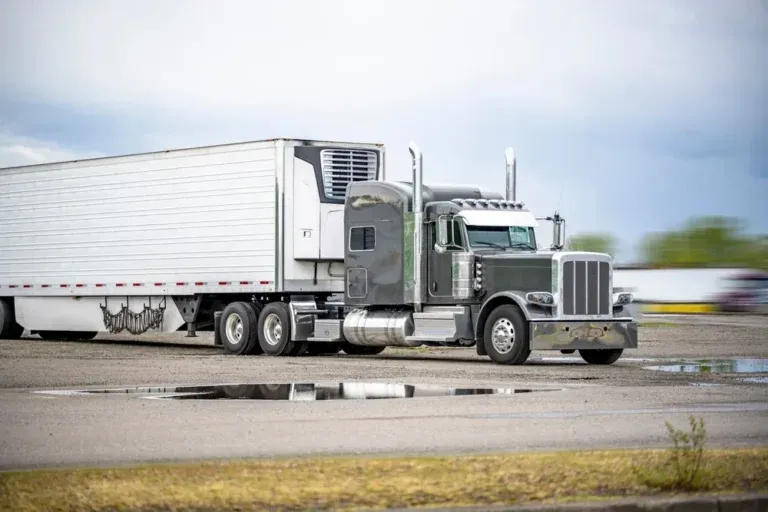
In the modern logistics ecosystem, reefer dispatch plays a critical role in keeping perishable goods safe as they move across cities, states, and long-haul routes in the United States. From fresh produce and dairy to pharmaceuticals and frozen foods, temperature-sensitive freight requires precise coordination between carriers, drivers, and dispatch teams. Even a small delay or temperature fluctuation can impact product quality and lead to financial loss.
At its core, reefer dispatch is the operational system that manages refrigerated trucking loads, ensuring the right truck, route, and timing align with strict temperature requirements. It connects shippers with reefer-equipped trucks and monitors shipments from pickup to delivery. Understanding how this system works helps explain why cold chain logistics is one of the most tightly managed segments in the freight industry.
Understanding temperature-controlled freight logistics
Temperature-controlled freight, often called cold chain logistics, is designed to transport goods that must remain within a specific temperature range throughout transit. These goods include frozen meat, seafood, medical supplies, flowers, and even certain chemicals.
Unlike standard freight, reefer (refrigerated) transportation relies on specialized trailers equipped with cooling units that can maintain precise internal conditions. However, the equipment alone is not enough. Success depends on careful coordination of routes, timing, and load matching.
For example, a shipment of frozen food moving from California to Texas requires careful planning to avoid unnecessary stops, extreme weather exposure, or delays at loading docks. Dispatchers must also account for fuel stops, rest periods, and real-time traffic conditions, all while ensuring temperature consistency is maintained.
This level of precision is what makes reefer logistics more complex than standard freight operations.
Reefer dispatch: how temperature-controlled loads are coordinated
reefer dispatch refers to the structured process of assigning refrigerated loads to qualified drivers and trucks while ensuring all temperature and timing requirements are met.
A dispatcher’s first task is to review available loads from shippers and match them with appropriate reefer trucks based on capacity, route efficiency, and delivery deadlines. Unlike dry freight, where timing flexibility may exist, reefer loads often operate under strict delivery windows due to product sensitivity.
Once a load is assigned, the dispatcher continues to monitor progress throughout the trip. This includes checking temperature logs from the trailer unit, communicating with drivers about delays, and adjusting routes if unexpected issues arise such as road closures or weather disruptions.
For instance, a shipment of vaccines requiring 2°C to 8°C storage must be continuously monitored. Even a brief temperature deviation could compromise the shipment, so real-time oversight is essential.
In practice, reefer dispatchers act as both coordinators and risk managers, ensuring that every shipment maintains compliance with safety and quality standards from origin to destination.
Role of a reefer dispatcher in daily operations
A reefer dispatcher handles far more than assigning loads. Their responsibilities extend into planning, compliance, and communication across multiple stakeholders in the supply chain.
On a typical day, a reefer truck dispatcher reviews shipment requests, verifies carrier availability, and ensures drivers meet regulatory requirements such as hours-of-service rules. They also coordinate pickup and delivery schedules to minimize downtime and maximize efficiency.
Communication is a constant part of the role. Dispatchers stay in contact with drivers to provide route updates, check refrigeration settings, and respond to on-road issues. In some cases, they also work directly with warehouse teams to resolve loading delays or documentation errors.
Companies like EverMark Dispatchers operate in this space by supporting carriers with structured dispatch coordination, especially for time-sensitive freight. While each operation may differ, the core responsibility remains the same: keeping refrigerated freight moving safely and on schedule.
The role requires attention to detail, strong problem-solving skills, and the ability to respond quickly when conditions change.
Challenges in reefer truck dispatch across the USA
Managing refrigerated freight in the United States comes with several operational challenges that make reefer truck dispatch more complex than standard trucking logistics.
One major challenge is weather variability. Extreme heat in southern states or freezing temperatures in northern regions can place additional strain on refrigeration systems. Dispatchers must anticipate these conditions when planning routes and delivery timelines.
Another challenge is traffic congestion in major freight corridors such as Los Angeles, Dallas, and Chicago. Delays in these areas can directly affect cargo temperature stability, especially for shipments with tight delivery windows.
Regulatory compliance also plays a significant role. Drivers must follow strict hours-of-service regulations, which can limit how long they can stay on the road. Dispatchers need to balance legal driving limits with delivery deadlines, often requiring creative scheduling solutions.
Finally, communication gaps between shippers, drivers, and receivers can lead to inefficiencies. Missing paperwork, delayed loading times, or miscommunication about delivery requirements can disrupt the entire cold chain process.
Despite these challenges, experienced dispatch operations continue to improve reliability through better planning and coordination practices.
Technology and tracking in reefer truck dispatch systems
Modern reefer logistics heavily relies on technology to maintain efficiency and transparency throughout the supply chain. GPS tracking, telematics, and temperature monitoring systems are now standard tools in most refrigerated fleets.
Real-time GPS tracking allows dispatchers to monitor truck locations and estimate arrival times accurately. This helps in adjusting schedules and informing customers of any delays.
Equally important are telematics systems that provide live temperature readings from inside the trailer. If the temperature rises or falls outside the required range, alerts are sent immediately so corrective action can be taken.
Digital load boards and dispatch software also streamline the matching process between available freight and carriers. These platforms reduce manual coordination and improve response times, especially for urgent or last-minute shipments.
Additionally, data analytics is becoming more common in reefer logistics. By reviewing historical route performance and delivery trends, dispatchers can optimize future planning and reduce operational risks.
These technologies collectively make refrigerated transport more predictable and controlled than it has ever been before.
Practical scenarios in reefer van dispatch service and regional deliveries
In regional logistics, reefer van dispatch service is often used for shorter routes where smaller refrigerated vehicles handle local or intercity deliveries. This is common in food distribution networks supplying supermarkets, restaurants, and medical facilities.
For example, a refrigerated van may transport fresh dairy products from a regional processing plant to multiple retail stores within a 150-mile radius. In this scenario, timing is critical because products must remain within safe temperature ranges during frequent stops.
Another example involves pharmaceutical distribution. A reefer van might deliver temperature-sensitive medication to clinics across rural areas, where road conditions and distance can vary significantly. Dispatchers must carefully plan routes to ensure both efficiency and product safety.
In both cases, coordination is key. Even though the scale is smaller than long-haul trucking, the importance of temperature control remains the same. Effective dispatching ensures that every stop, route change, and delivery aligns with cold chain requirements.
Conclusion
In today’s freight industry, reefer dispatch is a vital component of cold chain logistics, ensuring that temperature-sensitive goods are transported safely and efficiently across the United States. It requires careful coordination, real-time monitoring, and strong operational planning to meet strict delivery and temperature standards. From long-haul trucking to regional reefer van dispatch service operations, the discipline continues to evolve with technology and improved logistics practices, supporting industries that depend on reliable refrigerated transport.