 By logical dot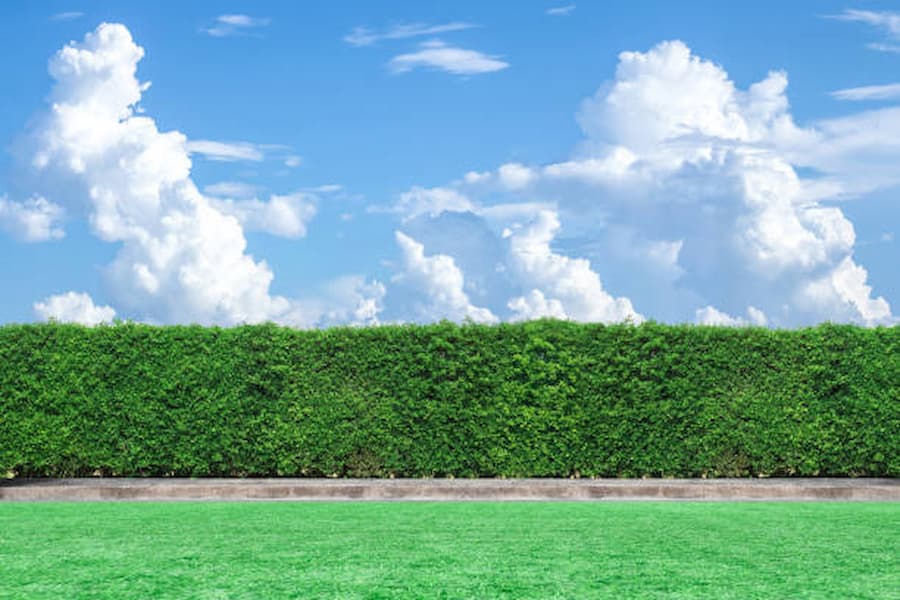
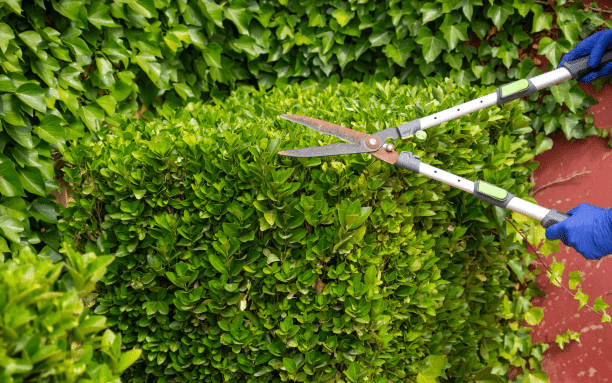
Hedge Trimming – A neglected hedge tells on itself. The base goes thin and gappy. The top balloons outward into something ragged and shapeless. Neighbours start giving it sideways looks. But the problem runs deeper than aesthetics. A hedge that never gets cut is not a hedge living its best life. It is a hedge slowly losing the internal structure that keeps it dense and functional. Most people assume cutting a plant back does it harm. The opposite is true for hedging species. The cut is what triggers the response.
The plant reads the loss of its outer growth as a signal to branch inward and upward with renewed intensity. That branching is what creates the thick impenetrable wall of greenery that a well kept hedge is supposed to be. Without the cut the plant just stretches outward chasing light and the interior hollows out into a tangle of bare brown stems. That hollow interior is the beginning of a hedge in long term decline.
Why Does Cutting a Hedge Actually Make It Grow More Densely?
Plant biology explains this in a way that makes complete intuitive sense once you understand it. The growing tip of any shoot produces a hormone called auxin that suppresses the lateral buds sitting further down the stem. While that tip remains intact the lateral buds stay dormant. Remove the tip and the auxin signal stops. Every dormant bud along that stem suddenly gets the signal to activate. One stem becomes three or four. Those three or four get trimmed the following season and become twelve.
Repeat that process over several years and the outer surface of the hedge becomes a dense interlocking network of short internodes and tight growth. The texture changes from open and sparse to something that genuinely blocks wind. screens a garden. and holds its shape through seasons. This is not accidental. It is the direct mechanical result of consistent trimming applied at the right times and in the right way. Skip the trimming for two or three seasons and that dense network starts to open up again as the longer shoots dominate and the lateral buds get suppressed once more.
How Does the Timing of Trimming Shape the Final Result?
Timing is where most amateur hedge cutting goes wrong. The instinct is to cut whenever the hedge looks untidy. That instinct is understandable but it ignores what the plant is actually doing at different points in the year. Trim a beech or hornbeam hedge in late spring and you remove the fresh growth before it has hardened and the hedge responds through summer with vigour. Trim that same hedge in late summer and the regrowth slows as the plant moves toward dormancy. That second cut locks in a tidy profile through winter without triggering a flush of soft growth vulnerable to early frost.
Conifer hedges like Leylandii need earlier attention because cutting into old brown wood on a conifer does not regenerate. The green growth zone on a conifer is shallow and the trimming has to stay within it or the result is permanent bare patches. Knowing which species you are working with and what its growth calendar looks like is the foundation of every good trimming decision. Get the timing right and the hedge rewards the effort. Get it wrong and the same effort produces a worse result.
What Difference Does Professional Trimming Make in a Town Like Preston?
Anyone who has driven through residential streets in Lancashire has seen the contrast. One garden has a box hedge that looks like a geometric sculpture. Three doors down there is something that started as the same species and now resembles a large unruly shrub that forgot what shape it was aiming for. The difference is rarely about the plant. It is about the person and the equipment working on it. Hedge Trimming Preston operations carried out by experienced practitioners bring a combination of things that the occasional DIY session with a domestic trimmer cannot replicate.
Proper commercial grade equipment cuts cleanly rather than tearing. Clean cuts heal faster and resist fungal entry better than ragged ones. The trained eye reads the hedge’s growth pattern before starting and works with it rather than against it. The angle of the cut face. whether the sides taper slightly inward toward the top to let light reach the lower growth. the height management that prevents the hedge from growing beyond what the root system can sustain. These are judgements made from experience not guesswork.
Does the Shape of the Trimmed Face Actually Matter to the Plant’s Health?
It does and this point gets overlooked in most conversations about hedge trimming. A hedge cut with perfectly vertical sides looks tidy to the human eye. But the lower half of that hedge receives less direct light than the upper half because the top growth shades it. Over time the lower foliage thins. The base opens up. The hedge looks healthy from eye level and bare and gappy below the knee. The correction is a slight inward taper from base to top. The bottom of the hedge sits fractionally wider than the top.
Light hits the lower growth at a better angle. The base stays dense. The whole hedge maintains an even texture from ground level to its full height. This is called the batter in professional hedge maintenance language and it is one of the clearest markers separating a skilled hedge cutter from someone who just runs a machine along the surface. The batter does not need to be dramatic. A few centimetres of taper on each side is enough to change the long term health trajectory of the plant noticeably.
What Happens to Soil and Wildlife When a Hedge Stays in Good Condition?
The ecological value of a well managed hedge is something most garden owners have not fully sat with. A dense hedge with a properly maintained base creates a zone of stillness at ground level. Hedgehogs nest there. Wrens and dunnocks forage along the base for invertebrates. Ground beetles overwinter in the leaf litter that accumulates where the hedge meets the soil. The hedge itself in flower provides pollen and in berry provides food across a long seasonal window.
A gappy open hedge with bare stems at the base delivers almost none of this. The structure is wrong. The microclimate at ground level is too exposed. Trimming a hedge well is not just a cosmetic act. It is a habitat management act. The dense outer canopy creates the sheltered interior that wildlife depends on. Remove the trimming regime and the structure degrades and the wildlife follows it out.
How Should Homeowners Think About Frequency Versus Intensity of Trimming?
Two light cuts a year beat one heavy cut every two years for almost every hedging species. That rhythm keeps the outer growth zone dense without ever letting the plant push far enough outward that heavy cutting becomes necessary. Heavy cutting. going back hard into older wood. stresses the plant and in some species simply does not work. Yew tolerates hard cutting back into old wood and regenerates well. Leylandii does not. Laurel bounces back aggressively from hard pruning but looks rough for a full season after.
Understanding how far back you can push a specific species without permanent damage is knowledge that comes from working with hedges across multiple seasons and multiple species. Hedge Trimming Preston professionals carry that knowledge as working practice. They are not guessing at what the plant will do. They have watched it respond before and they cut accordingly. That difference between informed cutting and hopeful cutting shows up clearly in the hedge’s appearance six months after the work.
What Long Term Investment Does a Well Trimmed Hedge Represent?
A hedge that has been consistently trimmed for fifteen or twenty years is a genuinely valuable garden asset. It does things a fence cannot. It absorbs sound rather than reflecting it. It filters particulate pollution from road traffic. It buffers wind without the turbulence that a solid fence creates on its lee side. It provides privacy that softens rather than hardens a boundary. And it holds real financial value. Mature well maintained hedges factor into property assessments in ways that estate agents working in greener residential areas recognise increasingly.
The investment is time and the cost of professional maintenance applied consistently over years. The return is a living structure that improves every season rather than degrading the way a painted fence or a trellis does. Hedge Trimming Preston carried out annually does not feel like a heavy expenditure in any single year. Across a decade it compounds into something that would cost far more to establish from scratch than it cost to maintain.
FAQs
How many times a year should most garden hedges be trimmed?
Two cuts per year suits the majority of hedging species in the British climate. The first cut in late spring after the main flush of new growth settles. The second in late summer to tighten the profile before winter. Faster growing species like privet and Leylandii may need a third light pass mid season to keep the growth from getting ahead of you.
Is there a time of year when hedge trimming should be avoided entirely?
The main nesting season running from March through to the end of July is the period that needs careful consideration. Birds nest inside dense hedges throughout this window and cutting during active nesting is illegal under the Wildlife and Countryside Act 1981. A visual check of the hedge before any cutting during this period is the responsible starting point.
Why does the base of an established hedge go thin and bare?
Light starvation at lower levels is almost always the cause. Overgrown upper growth shades the base and the lower foliage dies back from lack of photosynthesis. Correcting the taper of the cut face so the base sits fractionally wider than the top restores light to the lower growth over successive seasons. The recovery is gradual but consistent trimming in the correct profile delivers it reliably.
Can a severely overgrown hedge be rescued or does it need replacing?
Most broadleaf hedging species respond well to hard renovation cutting even after years of neglect. The work goes in stages. One side cut hard back in year one. The other side in year two. This keeps enough foliage on the plant to sustain the root system through the recovery. Conifers are the exception. Most conifer hedges pushed beyond their green growth zone do not come back and replacement becomes the realistic option.
What equipment difference exists between professional and DIY hedge trimming?
Commercial hedge trimmers run at higher blade speeds with longer cutting bars and better anti vibration systems than domestic equivalents. The cut quality on woody growth is noticeably cleaner. Cleaner cuts mean faster wound closure and lower disease entry risk. For a small low box hedge the domestic tool is adequate. For a tall mixed species boundary hedge the professional equipment and the trained operator behind it produce a result the domestic approach simply cannot match.
Visit blogsact for more informative blogs.