 By logical dot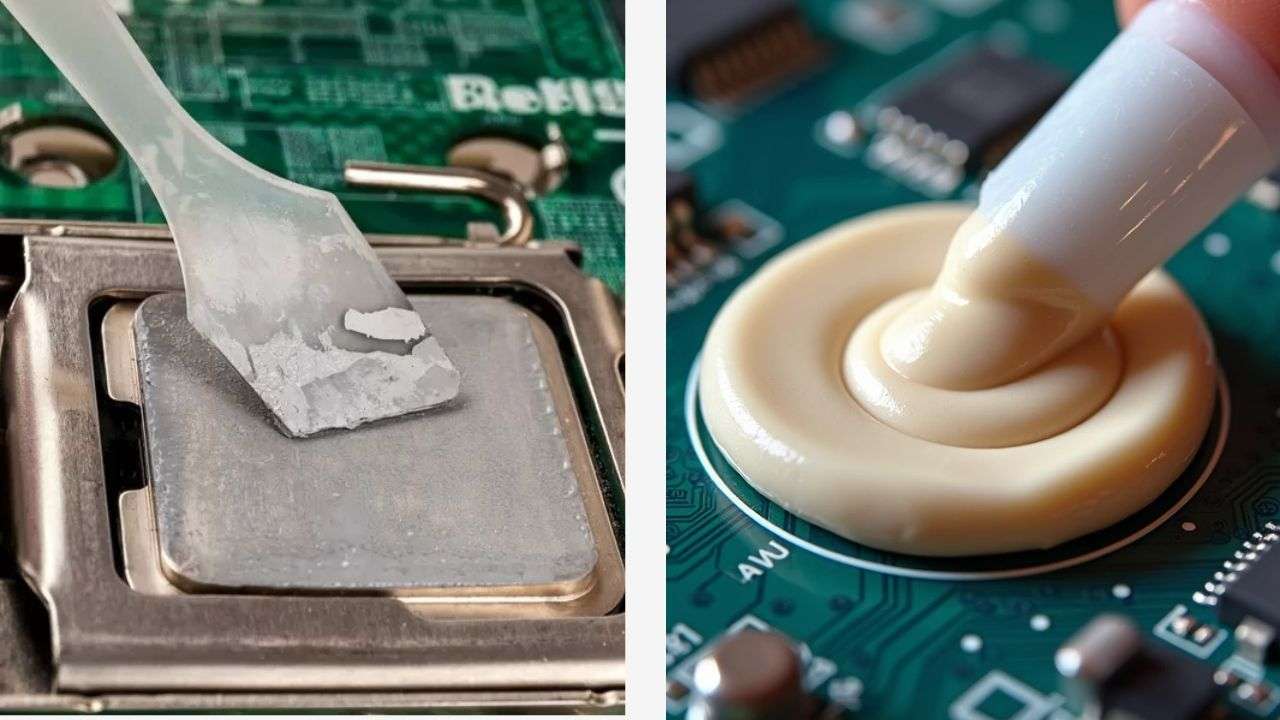
Modern electronics create a lot of heat. Computers, LED systems, EV batteries, telecom devices, and industrial machines all need strong cooling systems. Without proper heat control, electronic parts may slow down or fail early. Because of this, thermal interface materials play an important role in device performance.
Two common solutions include thermal paste and thermal conductive gel. Both materials help transfer heat from hot components to cooling systems. However, they work differently and suit different applications.
Many people assume both materials perform the same task in the same way. In reality, each option offers unique advantages. Some systems need maximum thermal conductivity. Others require flexibility and long-term stability.
Therefore, choosing the right thermal material depends on your equipment, operating environment, and maintenance needs. This guide explains the differences between the two options in simple terms. It also helps you understand which one works better for specific applications.
What Is Thermal Paste?
Thermal paste is a soft compound that improves heat transfer between two surfaces. Technicians usually place it between processors and heatsinks. The material fills tiny air gaps that block heat flow.
Air conducts heat very poorly. As a result, empty spaces reduce cooling efficiency. Thermal paste removes those gaps and creates better contact between the surfaces.
Most thermal compounds contain ceramic, carbon, or metal particles mixed inside silicone or synthetic oils. These fillers improve thermal conductivity and help move heat away from sensitive electronics.
Gaming computers and workstations often use thermal paste because it spreads into a thin layer very easily. In addition, many high-performance CPUs rely on this material for efficient cooling.
However, thermal paste also has some drawbacks. Some formulas dry out after years of heating and cooling cycles. Once the material hardens, heat transfer performance may decrease.
What Is Thermal Conductive Gel?
Unlike traditional paste, Thermal Conductive Gel stays soft and flexible after application. It does not dry quickly. Instead, it keeps adapting to surface movement and pressure changes.
This flexibility makes it useful for electronics exposed to vibration or uneven surfaces. Automotive systems, battery packs, LED lighting modules, and industrial electronics often use gel-based materials.
Another major benefit involves long-term stability. Many gel compounds maintain performance for years without cracking or shrinking. Therefore, they reduce maintenance needs in demanding environments.
Additionally, these materials handle larger gaps more effectively than standard paste. Some electronic assemblies contain rough or uneven surfaces. Flexible conductive compounds can fill those spaces more consistently.
Modern thermal gels may include advanced ceramic fillers, silicone matrices, and graphene-based additives that improve heat transfer performance.
Key Differences Between Thermal Gel and Thermal Paste
Although both materials transfer heat, they behave differently during operation.
Flexibility
Thermal gel remains soft during long-term use. It adjusts better to vibration and movement. Thermal paste usually becomes firmer over time.
Thermal Stability
Paste may lose efficiency after repeated thermal cycling. Meanwhile, flexible compounds often maintain stable performance longer.
Gap Filling Ability
Gel materials handle uneven surfaces and larger gaps more effectively. Paste performs best on flat surfaces with tight contact pressure.
Maintenance Requirements
Some thermal pastes need replacement after several years. However, flexible conductive materials usually require less maintenance.
Application Method
Thermal paste requires careful application of the correct thickness. Too much material can reduce efficiency. Gel materials offer more forgiving installation properties.
Because of these differences, engineers choose materials based on operating conditions rather than marketing claims.
Which Material Performs Better?
Performance depends on the application. There is no single answer for every system.
For example, gaming PCs often benefit from premium thermal paste because processors require very high thermal conductivity. In tightly mounted systems, paste may deliver excellent cooling results.
However, industrial equipment often experiences vibration, pressure variation, and changing temperatures. Under these conditions, flexible conductive compounds usually perform more reliably.
Electric vehicle battery systems also benefit from soft thermal materials because battery cells expand and contract during charging cycles.
Similarly, outdoor telecom systems require materials that resist harsh environmental conditions. Flexible compounds help maintain stable thermal contact even after years of operation.
Therefore, the better option depends on the working environment and long-term performance goals.
Industries That Use Thermal Conductive Materials
Many industries now depend on advanced heat management systems.
Consumer Electronics
Laptops, gaming systems, and desktop computers use thermal interface materials to cool processors and graphics cards.
Automotive Industry
Electric vehicles generate significant heat inside battery packs and power electronics. Flexible thermal materials help improve safety and reliability.
LED Lighting
High-power LEDs create concentrated heat. Proper thermal management improves brightness stability and extends product lifespan.
Telecommunications
5G infrastructure and telecom hardware operate continuously under heavy thermal loads. Reliable heat transfer materials support long-term system stability.
Industrial Equipment
Factories use thermal compounds in automation systems, robotics, and power electronics, where overheating may damage sensitive components.
Why Material Quality Matters?
Low-quality thermal materials may separate, dry quickly, or lose thermal efficiency. As a result, electronic systems may overheat or fail earlier than expected.
Therefore, choosing trusted suppliers becomes extremely important.
Reliable suppliers provide:
- Consistent thermal conductivity
- Stable manufacturing quality
- Technical documentation
- Product testing data
- Long-term reliability support
Before purchasing any thermal material, buyers should review technical specifications carefully. Real-world testing also helps confirm long-term reliability.
Tips for Choosing the Right Thermal Material
Selecting the correct solution becomes easier when you focus on application needs. Consider these factors before buying:
- Operating temperature range
- Surface flatness
- Exposure to vibration
- Expected product lifespan
- Maintenance accessibility
- Environmental conditions
For fixed systems with strong mounting pressure, thermal paste may work very well. However, systems exposed to movement or thermal cycling often benefit from flexible compounds.
In addition, always apply thermal materials correctly. Even high-quality compounds cannot perform properly if installation methods remain poor.
Conclusion
Heat control directly affects electronic reliability and performance. Both thermal paste and flexible conductive compounds improve heat transfer, but they serve different purposes.
Thermal paste works well in tightly mounted systems that need strong initial conductivity. Meanwhile, Thermal Conductive Gel provides better flexibility and long-term stability in demanding environments.
Modern electronics continue to become smaller and more powerful. Because of this, thermal management solutions must also improve. Engineers now focus not only on conductivity but also on durability, maintenance, and operating conditions.
The best choice depends on your application. Understanding these differences helps you select a material that supports better cooling, longer equipment life, and more reliable performance.