 By logical dot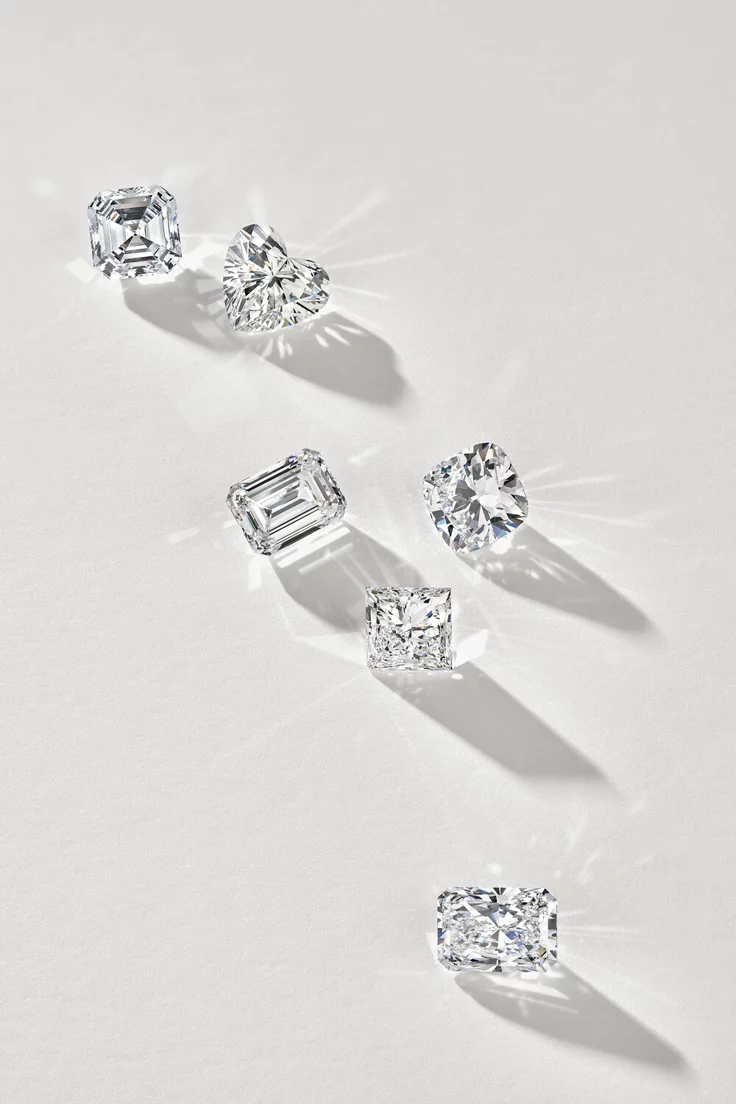
Lab grown diamonds are reshaping the modern jewellery industry by offering a sustainable, ethical, and scientifically advanced alternative to mined diamonds. With growing awareness around responsible luxury, the keyword Lab grown diamonds has become one of the most searched topics among jewellery buyers. These diamonds are not imitations; they are real diamonds created in controlled laboratory environments using cutting-edge technology. Understanding how they are made helps consumers make confident and informed purchasing decisions.
What Are Lab Grown Diamonds?
Lab grown diamonds are real diamonds created using advanced scientific processes that replicate the natural conditions under which diamonds form in the earth. They have the same carbon structure, hardness, brilliance, and optical properties as mined diamonds.
The only difference between natural and lab grown diamonds is their origin. While natural diamonds take billions of years to form underground, lab grown diamonds are produced in a matter of weeks inside highly controlled laboratories.
How Lab Grown Diamonds Are Made
Chemical Vapor Deposition (CVD) Method
The CVD process is one of the most widely used methods for creating lab grown diamonds.
In this technique, a thin diamond seed is placed inside a sealed chamber filled with carbon-rich gases such as methane and hydrogen. The chamber is then heated to extremely high temperatures.
As the gases break down, carbon atoms begin to bond layer by layer onto the diamond seed. Over time, these layers grow into a complete diamond crystal.
CVD is known for producing high-purity diamonds with excellent clarity and fewer impurities, making it ideal for fine jewellery.
High Pressure High Temperature (HPHT) Method
The HPHT method replicates the natural diamond formation process that occurs deep within the earth.
In this process, a small diamond seed is placed inside a press machine along with a carbon source. The machine applies extremely high pressure and temperature conditions similar to the earth’s mantle.
Under these conditions, the carbon melts and crystallizes around the seed, forming a rough diamond crystal.
HPHT is often used to create diamonds with strong color quality and is widely used in both industrial and jewellery-grade production.
Step-by-Step Process of Creating Lab Grown Diamonds
1. Selecting the Diamond Seed
Every lab grown diamond begins with a tiny carbon seed, which acts as the foundation for crystal growth. This seed is carefully chosen for quality and structure.
2. Placing in Growth Chamber
The seed is placed inside a specialized chamber depending on whether the CVD or HPHT method is used. The environment is tightly controlled to ensure optimal growth conditions.
3. Controlled Diamond Growth
Carbon atoms are gradually deposited onto the seed. Over several weeks, these atoms bond in a structured pattern, slowly forming a larger crystal.
4. Harvesting the Rough Diamond
Once the growth process is complete, the rough diamond is carefully removed from the chamber. At this stage, it resembles a raw crystal and is not yet suitable for jewellery.
5. Cutting and Polishing
Expert diamond cutters shape the rough stone into precise cuts such as round, oval, cushion, or princess. The diamond is then polished to enhance brilliance and fire.
Are Lab Grown Diamonds Real Diamonds?
Yes, lab grown diamonds are 100% real diamonds. They are not substitutes like moissanite or cubic zirconia.
They share the same chemical composition (pure carbon) and crystal structure as mined diamonds. Even advanced testing equipment cannot distinguish between lab grown and natural diamonds without specialized lab analysis.
Benefits of Lab Grown Diamonds
Ethical and Sustainable Choice
One of the biggest advantages of lab grown diamonds is their ethical origin. They do not require mining, which reduces environmental disruption and human impact.
More Affordable Pricing
Lab grown diamonds are generally 30% to 70% more affordable than mined diamonds. This allows buyers to choose larger or higher-quality stones within the same budget.
High Quality and Purity
Because they are created in controlled environments, lab grown diamonds often have fewer inclusions and better clarity compared to natural diamonds.
Lab Grown Diamonds and the 4Cs
Like natural diamonds, lab grown diamonds are evaluated using the 4Cs:
- Cut determines how well the diamond reflects light
- Color measures how colorless the diamond appears
- Clarity identifies internal or external imperfections
- Carat refers to the weight of the diamond
These grading standards help buyers understand quality and compare different diamonds effectively.
Why Lab Grown Diamonds Are Becoming Popular
The demand for lab grown diamonds is increasing rapidly due to changing consumer values. Modern buyers prefer ethical luxury, transparency, and sustainability.
Younger generations, in particular, are more conscious about environmental impact and prefer alternatives that align with their lifestyle choices. Additionally, the affordability of lab grown diamonds makes them accessible to a wider audience.
CVD vs HPHT: Key Differences
While both methods produce real diamonds, they differ in approach.
CVD focuses on layering carbon atoms in a controlled environment, often resulting in high clarity stones. HPHT, on the other hand, replicates natural formation conditions using extreme pressure and heat, often producing diamonds with strong structural characteristics.
Both methods are widely accepted in the jewellery industry and produce certified diamonds.
The Future of Lab Grown Diamonds
The future of lab grown diamonds looks promising as technology continues to evolve. Production methods are becoming more efficient, and consumer trust is increasing globally.
Many experts believe lab grown diamonds will play a major role in the future of fine jewellery, especially as sustainability becomes a priority in luxury markets.
Conclusion
Lab grown diamonds represent a major innovation in the jewellery industry, combining science, sustainability, and beauty. They offer the same brilliance and durability as mined diamonds while being more ethical and affordable.
Understanding how lab grown diamonds are made helps consumers appreciate the technology and craftsmanship behind each stone. As demand continues to rise, they are becoming a preferred choice for engagement rings, fashion jewellery, and modern luxury collections.