 By logical dot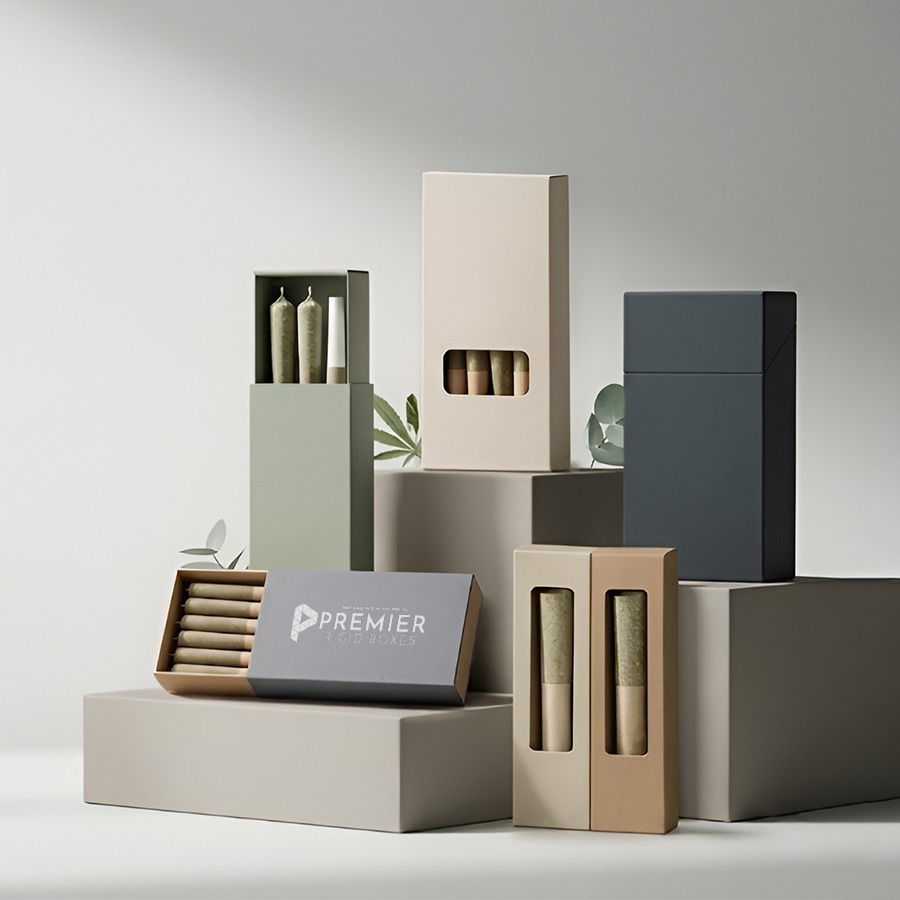
If you have an exciting brand, such as a lifestyle or retail, premium custom packaging is a must to stand out in the crowd. Premium weight paperboard, velvety finishes and elaborate design structures do the heavy lifting in terms of communicating your brand story before a consumer ever takes a bite from your product.
However, as order levels grow from a few hundred per month to tens of thousands, another hidden logistics problem eventually surfaces: the storage challenge.
The thicker and more protective the custom container is; the more real estate it takes up. If you have a warehouse or back room that appears like a maze of towering pallet racks with only empty boxes, then it’s a big operational leak you’re suffering. You’re paying rent to store a huge ton of air. Brands that are agile, but have small warehouse spaces for fulfillment or storefronts, would be better served by not spending valuable cash flow on storing a lot of packages.
The secret to being profitable in the long-term does not lie in reducing your mail costs to a very low level and sending thin mailers that diminish your brand value. Rather, it’s about taking a bold stance on smart structural engineering and finding the way to provide an uncompromised premium tactile presentation that would be entirely flat until the moment of fulfillment.
Blueprint of Flat-Pack Luxury Engineering
The secret to getting a premium from a flat-packed material is in careful selection of the material and folding choreography. Traditional folding cartons tend to be inexpensive, as they are made with light weight paper stocks that can buckle, warp or crack at the hinges.
Modern high quality packaging, with high density folding boxboard (FBB) or heavy gauge Solid Bleached Sulfate (SBS) will avoid this. They have the rigidity, sharp edges and satisfying weight of a rigid box, but are actually engineered using scores that are minuscule pressed by machinery with microscopic precision.
These exact cut-outs make it possible for the box to collapse completely flat when applying pressure and not break the paper fibers or damage the printed ink on the exterior of the box. On the shelf, your fulfillment team will find material that snaps into crisp, rigid, 90° corners. Designed with hidden self-locking tabs or pre-applied double-sided adhesive strips with easily peel able backing, a flat sheet of artfully engineered board is transformed into a rock-solid, ultra-premium retail container in less than three seconds.
Minimizing the Footprint: The Math of Flat Storage
The benefits of flat-pack engineering are evident in the business value of your inbound logistics:
For rigid containers, a standard delivery truck can carry a maximum number of containers – but not because of the container’s weight, but because of the physical volume of the truck. You’re carrying around empty space with you all across the country.
But if the same packaging is designed to ship and store in a flat format, the space efficiency takes a dramatic leap:
The most economical option is to order Pre-Assembled Bulk Containers, which are designed to fit specific spaces with the added convenience of being flat-packed for easy delivery.
Just one industrial pallet can now carry 4,000 units as compared to 500 that could fit in before. This significant compression also allows you to greatly reduce your inbound freight costs, your monthly warehouse storage invoices, and your packaging inventory holed up in deep and inaccessible storage racks, all at the packing bench.
Being efficient in highly regulated markets
For retail verticals in highly specific, very small environments, this space-saving culture is even more important, particularly when space and storage is at a premium.
The high-end design requirements for cannabis pre roll packaging are transforming the packaging industry and introducing the new era of boutique wellness and compliance-heavy markets. In this segment, not only do brands have to comply with legal requirements that include strict child-resistant locking mechanisms and extensive warning labelling, but they also have to project the ultimate sleek, high-end and consumer-facing look.
Previously, meeting these safety standards required a large multi-part plastic slider or thick pre-cut tin sliders that caused havoc on dispensary backroom storage. But, with a high-tech paperboard engineering, a brand can have a sleek, flat-storing drawer-and-sleeve configuration. The interior structural tray with hidden paper-latch safety mechanism is flat when travelling. It emerges easily when ready for sell, fits easily inside the hard outer sleeve and delivers a luxury, child-resistant look that is extremely secure with just a fraction of the warehouse space taken up by old-school plastic or metal defaults.
Switching to focus – packaging work flows in high velocity
In order to make your custom packaging line an eco-friendly, efficient system, you should zero in on three structural considerations:
Pre-Applied Adhesives over Manual Taping: Make sure that any flat-pack box style you select has integrated peel/taping strips. This means no large tape guns are needed at packing stations, no “shaping” the exterior and faster assembly times.
Out of the box: If you’re trying to sell a variety of shapes, create a single outer box that is flat packed and then create different, flat-folded dividers in the interior made from paperboard for each shape (SKU). This significantly cuts down the number of different box sizes that you need to purchase and store.
Highlight Laminates, Spot UVs & Soft Touch: Flat-pack containers have thinner profiles than giant rigid wood boxes or thick chipboard boxes, so take advantage of high-quality post-print features such as soft-touch lamination, blind debossing or spot UV varnishes. These finishes bring a lot of luxury weight and quality to the hand with no micrometer of bulk in your storage racks.
Final Words
It is no longer a matter of how much raw, unchangeable space a box is taking up on a warehouse floor that constitutes true packaging luxury. In this age of packaging, the ultimate yardstick of a good design is making the package look very intelligent, feeling like a high-end product, and evoking emotions, while operating with a low carbon footprint and being hyper-efficient. Advanced paperboard stocks, smart self-locking mechanics and flat-storing profiles such as the trendsetting packaging for cannabis pre-rolls, keep your brand’s Premier intact on the shelf, and eliminate the costly burden of empty air in your supply chain.