 By jahanzaib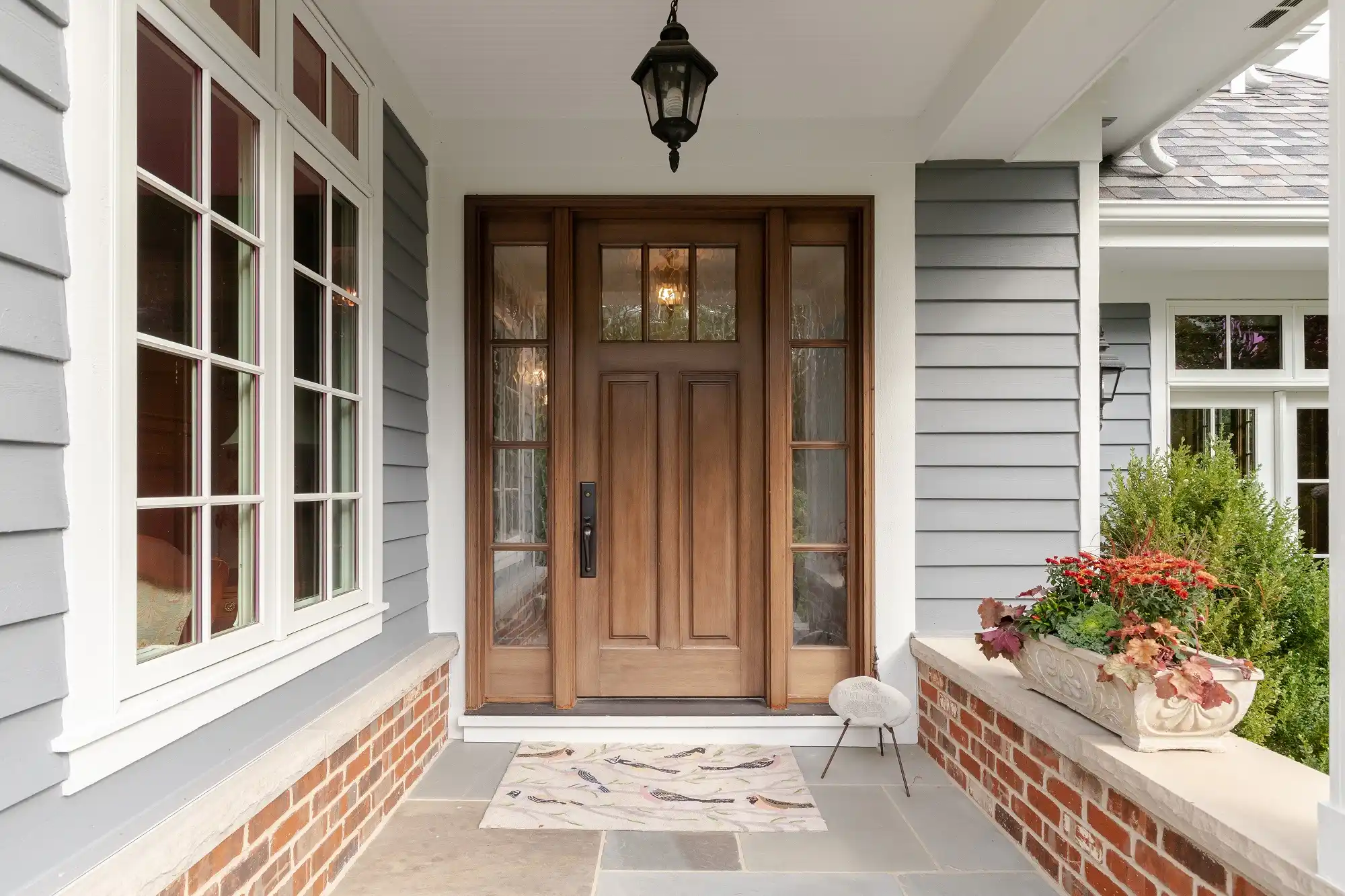
A front door does more than let people in and out. In South Florida, it’s also one of your main lines of defense during a hurricane. If a door fails in high winds, pressure can build inside the house and push the roof up from below. That’s why impact doors have become standard for so many homes here. But not all impact doors are the same. They come in different materials, glass types, styles, and pressure ratings. Some are built for coastal homes in the strictest wind zones. Others are better for areas with lower wind risk. Picking the wrong one can mean a failed inspection, a door that doesn’t seal well, or money spent on extra features you don’t need.
This guide explains how impact doors work, what ratings to look for, which materials hold up best, and what to ask before you sign a contract with an installer.
What Makes a Door “Impact-Rated”
An impact door is built and tested to survive hurricane-force winds and flying debris. It’s not just a regular door with thicker glass.
A true impact door has:
- A reinforced frame
- Laminated impact glass, if it has glass
- Heavy-duty hinges, locks, and anchors
- Multi-point locking that holds the door tight to the frame at several spots
The door, frame, glass, and hardware are tested together as one unit. If one part doesn’t meet the standard, the whole door doesn’t pass.
Why Impact Doors Matter in Florida
Broward and Miami-Dade counties sit in what’s called the High-Velocity Hurricane Zone, or HVHZ. Building rules here are the strictest in the state. Any new or replacement exterior door must meet these standards to pass inspection.
Beyond code, impact doors also:
- Protect your home without needing shutters or plywood
- Make forced entry much harder
- Cut down outside noise
- Help with energy efficiency
- Can lower your homeowners insurance premium
Understand the Ratings and Approvals
This is the most important part of choosing a door. Style matters, but ratings decide whether the door will actually protect your home and pass inspection.
Miami-Dade NOA and Florida Product Approval
Every impact door sold in Florida should have a Florida Product Approval number. For homes in the HVHZ, the door usually needs a Miami-Dade Notice of Acceptance, or NOA, or a state approval rated for the HVHZ.
Ask for the approval number and look it up yourself. Both approval databases are public online. The document will show exactly which sizes, glass types, and installation methods were approved.
Design Pressure Ratings
Design pressure, or DP, shows how much wind pressure the door can handle. It’s listed as two numbers, like +50/-60. The first number is pressure pushing in. The second is pressure pulling out.
The DP you need depends on:
- Your wind zone
- How close you are to the coast
- The height of your home
- Where the door is on the house
Corner areas and upper floors often need higher ratings. Your installer or an engineer should calculate this for your specific home.
Large vs. Small Missile Ratings
Impact doors are tested by firing objects at them. The large missile test uses a 9-pound piece of lumber shot at the door. The small missile test uses small steel balls to mimic gravel and roof debris.
Doors on the ground floor and up to 30 feet high generally need a large missile rating. If you live in South Florida, go with large missile. It’s the safer choice.
Pick the Right Door Type
Front Entry Doors
These are the most common impact doors. They come solid or with glass panels and sidelights. If you want natural light, choose glass that’s frosted or textured for privacy.
French Doors
French doors open outward or inward in pairs. They’re popular for patios and backyards. Outswing doors are often stronger in high winds because wind pushes them against the frame, not away from it.
Sliding Glass Doors
Sliders are one of the weakest points in many older Florida homes. Replacing them with impact sliders makes a big difference. Look for heavy-duty tracks, strong interlocks, and good drainage so water doesn’t pool during storms.
Multi-Slide and Folding Doors
These large doors open whole walls to the outdoors. They look great but cost more and need higher DP ratings because of their size. Make sure the full system, not just the glass, is impact-rated.
Garage Doors
Garage doors are often the largest opening in a house. If yours fails, wind can rush in and cause major damage. Impact-rated or wind-rated garage doors are worth considering, especially if yours is old.
Choose the Frame Material
Aluminum
Aluminum is the most common choice in Florida. It’s strong, light, and doesn’t rust. It can get warm in direct sun, but newer frames include thermal breaks to help with that.
Fiberglass
Fiberglass handles humidity well and won’t warp or rot. It can look like wood and holds paint nicely. It’s a solid choice for front entry doors.
Steel
Steel is very strong and good for security. But it can rust near salt air if the coating gets scratched. It needs more upkeep in coastal areas.
Vinyl
Vinyl is affordable and insulates well. It’s less common for large impact doors because it isn’t as rigid as aluminum or fiberglass.
Glass Options
Laminated Glass Interlayers
Impact glass has a plastic layer sandwiched between two sheets of glass. When hit, the glass may crack, but it stays stuck to the layer and doesn’t fall out. The two common interlayers are PVB and SGP. SGP is stiffer and stronger, and it’s often used for larger doors or higher pressure ratings.
Low-E Coatings and Tints
Low-E coatings reflect heat while letting light through. In Florida, this can lower cooling costs and protect floors and furniture from sun fading. Tints can also cut glare.
Privacy Glass
Frosted, textured, or obscured glass lets light in without letting people see inside. It’s a good fit for front doors and bathrooms that open to a patio.
Hardware and Security Features
Don’t overlook the hardware. Look for:
- Multi-point locks
- Stainless steel or corrosion-resistant hinges and screws
- Strong weatherstripping to keep water and air out
- A threshold built to handle wind-driven rain
Cheap hardware rusts quickly in salty air. This is one place where spending a little more pays off.
How Much Impact Doors Cost
Prices vary based on size, material, glass, and installation. Here are rough installed ranges:
- Single entry door: about $2,500 to $6,000
- French doors: about $4,000 to $9,000
- Sliding glass doors: about $3,500 to $12,000
- Multi-slide systems: $10,000 and up
- Impact garage doors: about $2,000 to $5,000
Permits, removal of old doors, and custom sizes can add to the cost. Get at least two or three written quotes.
Insurance Savings and Help With Costs
Florida insurers must offer discounts for wind protection. Once your doors and windows are impact-rated, a wind mitigation inspection can document the upgrade. Many homeowners see a noticeable drop in their premium.
The state’s My Safe Florida Home program has also offered grants to help with hurricane upgrades like impact doors. Funding opens and closes, so check the program’s website to see what’s available now.
Choosing the Right Installer
A good door installed poorly won’t protect you. Installation has to follow the exact method listed in the product approval, including anchor type and spacing.
Look for an installer who:
- Holds a valid Florida contractor license
- Carries liability and workers’ comp insurance
- Pulls permits for every job
- Gives you the product approval documents
- Offers a clear warranty on both the product and labor
If you’re comparing companies for impact doors fort lauderdale homeowners have used, read recent reviews and ask how they handle inspections and delays.
Match Your Doors With Your Windows
Your home is only as strong as its weakest opening. Upgrading doors while leaving old windows in place still leaves gaps in protection. Many homeowners do doors and windows in phases to spread out the cost.
If you plan to add impact windows fort lauderdale building rules require the same HVHZ approvals and pressure ratings. Using the same installer for both can keep the look consistent and make permits simpler.
Questions to Ask Before You Buy
- What’s the Miami-Dade NOA or Florida Product Approval number?
- What design pressure does my home need, and does this door meet it?
- Is it large missile rated?
- What glass interlayer is used?
- Is the hardware rated for coastal areas?
- Who handles the permit and final inspection?
- What does the warranty cover, and for how long?
Final Thoughts
Choosing an impact door isn’t just about looks. Start with the ratings and approvals your home needs. Then pick the door type, frame, and glass that fit your style and budget. And hire a licensed installer who follows the approved method. Get those pieces right and you’ll have a door that looks good, lowers your insurance, and holds up when the next storm comes through.