 By logical dot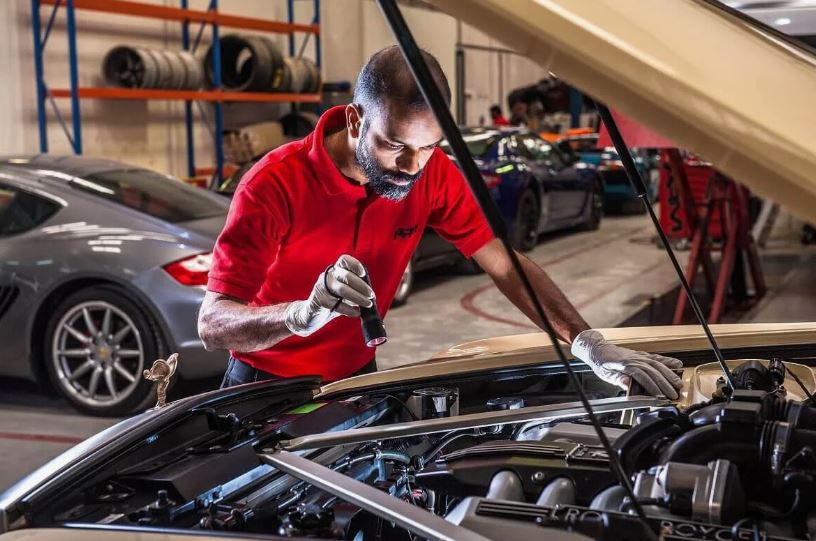
Owning a vehicle is not just about driving convenience; it also comes with the responsibility of proper maintenance and timely servicing. A well-maintained car runs smoother, lasts longer, and ensures safety on the road. Understanding complete car services helps vehicle owners avoid unexpected breakdowns and unnecessary repair costs while improving overall performance.
What Complete Car Service Means
A complete car service is a detailed inspection and maintenance process that covers all major systems of a vehicle. It goes far beyond a simple oil change. It includes engine checks, brake inspection, tire evaluation, fluid top-ups, electrical testing, and suspension review.
The main goal is preventive maintenance. Instead of waiting for a problem to occur, technicians identify early signs of wear and fix them before they turn into major issues. This approach saves both money and time in the long run.
Engine Health and Performance Maintenance
The engine is the most important part of any vehicle. During a full service, mechanics inspect engine oil levels, replace filters, and check for leaks or unusual wear.
Key components such as spark plugs, timing belts, and air filters are also examined. Clean filters and properly functioning parts ensure better fuel efficiency and smoother engine performance.
Neglecting engine maintenance can lead to overheating, reduced mileage, or even complete engine failure. Regular servicing keeps everything running efficiently and reliably.
Brake System Safety Inspection
Brakes are critical for road safety. A complete service includes checking brake pads, discs, and brake fluid levels. Worn-out brake pads or low fluid can significantly reduce braking performance.
Technicians also test for vibrations, noise, or delayed response when braking. These signs often indicate underlying issues that need immediate attention.
A properly maintained brake system ensures quick response in emergencies and reduces accident risks.
Tire Condition and Wheel Alignment
Tires directly affect safety, fuel efficiency, and driving comfort. During servicing, tire pressure, tread depth, and overall condition are carefully checked.
Uneven wear patterns may indicate alignment or suspension issues. Wheel balancing and alignment are adjusted to ensure stability and smooth handling.
Well-maintained tires improve grip on the road and help reduce fuel consumption over time.
Fluid Levels and Their Role
Vehicles depend on multiple fluids to function properly. These include engine oil, coolant, brake fluid, transmission fluid, and power steering fluid.
During a complete service, these fluids are checked, topped up, or replaced if necessary. Low or dirty fluids can cause serious damage, including overheating or system failure.
Regular monitoring ensures each system operates efficiently and prevents costly repairs.
Battery and Electrical System Check
The electrical system powers essential components such as ignition, lights, and onboard electronics. A weak battery can cause starting issues or sudden breakdowns.
During servicing, the battery is tested for charge capacity and corrosion. Alternator performance and wiring connections are also inspected.
This ensures the vehicle remains reliable in all conditions and avoids unexpected electrical failures.
Suspension and Steering System Inspection
Suspension and steering systems ensure comfort and control while driving. They absorb shocks from rough roads and maintain vehicle stability.
Mechanics check shock absorbers, struts, and steering components for wear or damage. Any faults in these systems can lead to poor handling and uneven tire wear.
Proper maintenance ensures a smooth and controlled driving experience, especially on uneven roads.
Air Conditioning and Cabin Comfort
A complete car service also includes checking the air conditioning system. This involves inspecting cooling performance, refrigerant levels, and air filters.
A clean and efficient AC system improves driving comfort and ensures proper airflow inside the cabin. Cabin filters are replaced when necessary to maintain air quality.
Importance of Regular Car Servicing
Regular servicing helps detect problems early and prevents major breakdowns. It improves fuel efficiency, enhances safety, and increases vehicle lifespan.
Ignoring maintenance often leads to expensive repairs and reduced performance. A well-serviced car also retains better resale value.
Warning Signs Your Car Needs Immediate Service
Vehicle owners should never ignore warning signs. Common indicators include strange engine noises, dashboard warning lights, poor fuel efficiency, difficulty starting, or fluid leaks.
These symptoms often signal underlying issues that require immediate attention. Addressing them early prevents further damage and higher repair costs.
When Repair Is No Longer Worth It
In older vehicles, repair costs can sometimes exceed the car’s actual value. Frequent breakdowns and high maintenance expenses may make continued repairs impractical.
In such situations, many owners choose alternative solutions like recycling or selling their vehicle. Services such as Townsville cash for unwanted cars offer a practical option to dispose of old or damaged vehicles while receiving fair value.
This helps owners avoid ongoing repair costs and move on from unreliable vehicles.
Choosing a Reliable Service Center
Selecting the right workshop is essential for quality maintenance. A good service center should have skilled technicians, modern diagnostic tools, transparent pricing, and positive customer reviews.
Using genuine parts and following manufacturer guidelines also ensures long-term reliability.
Building a relationship with a trusted mechanic helps maintain consistent vehicle care over time.
Final Thoughts
Complete car servicing is essential for safe, efficient, and long-lasting vehicle performance. Every component—from engine to tires—plays a role in ensuring smooth operation.
Regular maintenance not only prevents breakdowns but also saves money in the long run. Whether for daily use or long-distance travel, a well-serviced vehicle is always more reliable and safer on the road.