 By logical dot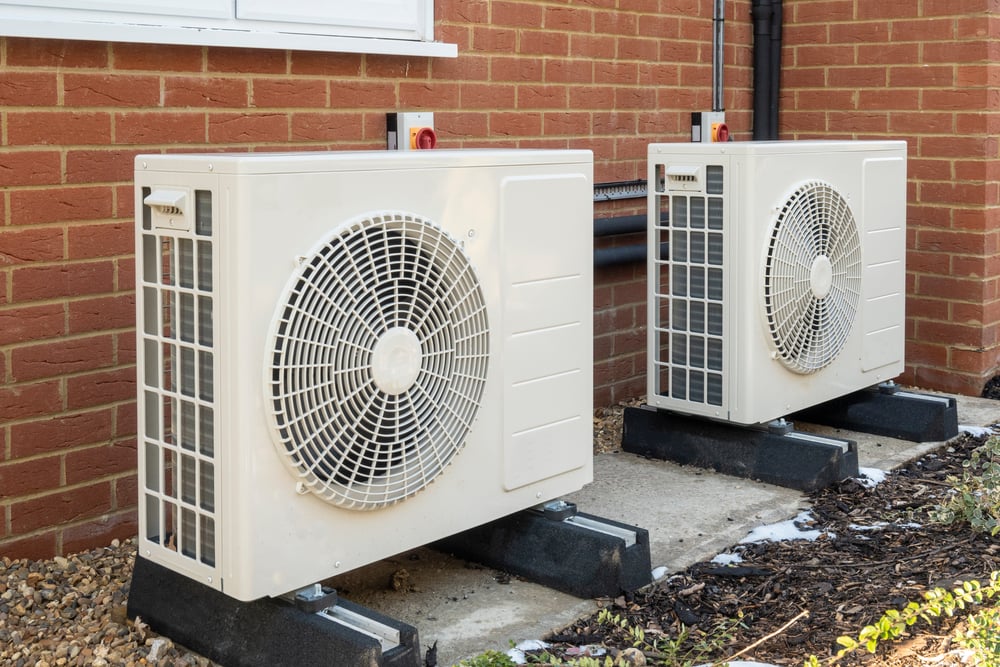
If you’ve been looking into heat pumps, you’ve probably wondered whether the available grants will still be around when you’re ready to make the switch.
It’s a fair question. A heat pump installation isn’t a small purchase, and government funding can take a sizeable chunk off the upfront cost. The problem is that many homeowners aren’t sure how these schemes work. Some assume the funding is always available, while others worry they’ll miss out if they don’t apply immediately.
The reality sits somewhere in the middle.
Understanding how grant programmes are funded can help you plan more effectively and avoid surprises later. If you’re thinking about installing a heat pump in 2026, here’s what you need to know.
Why Is the Government Offering Heat Pump Grants?
The UK’s heating systems are going through a gradual transition.
For decades, gas boilers have been the standard choice for home heating. While they do the job well, they also contribute significantly to household carbon emissions. As the country works toward long-term climate targets, cleaner heating technologies are becoming a priority.
Heat pumps are one of the main alternatives being encouraged. Instead of producing heat by burning fuel, they capture existing heat from the outside air or the ground and transfer it indoors. Because of the way they operate, they can deliver more heat energy than the electricity they consume.
To help homeowners overcome the higher installation costs, financial support is available through programmes such as the Government Boiler Upgrade Scheme.
The goal is simple: make low-carbon heating more affordable and encourage wider adoption across the UK.
Is There a Limit on Heat Pump Grants Each Year?
Generally speaking, yes.
Most government-backed energy schemes operate within a fixed budget. A certain amount of funding is allocated, and that money is distributed throughout the programme period.
That doesn’t mean grants disappear overnight or become unavailable after a few months. However, funding isn’t endless. If demand is particularly strong, available funds can be committed more quickly than expected.
Several factors influence how much support remains available throughout the year, including:
- Government spending allocations
- The number of approved applications
- Demand for heat pump installations
- Policy updates
- Installer availability
As more homeowners explore low-carbon heating, competition for funding can naturally increase.
How Do Heat Pump Grants Actually Work?
Many people assume that they submit a form and receive a payment directly from the government.
In practice, the process is often different.
For many schemes, the installer handles a large part of the application on the homeowner’s behalf. Once eligibility checks have been completed and the project meets the required standards, the grant is usually deducted from the installation cost.
This approach helps ensure public funding supports approved technologies and qualified installations.
It also means that grant availability depends not only on funding but on having accredited installers involved in the process.
Could the Funding Be Fully Allocated Before the End of 2026?
It’s certainly possible.
Grant programmes can experience periods of increased demand, particularly when energy prices rise or when government announcements encourage more homeowners to act.
Imagine thousands of households deciding to upgrade within a relatively short period. Naturally, available funding would be committed much faster.
That said, government energy schemes are reviewed periodically. Funding levels can be adjusted, extended, or revised depending on policy priorities and available budgets.
Because future decisions cannot be predicted with certainty, it’s usually wise to base plans on the support currently available rather than waiting for possible changes.
Who Qualifies for Heat Pump Funding?
Eligibility depends on the specific scheme, but several common requirements usually apply.
Factors often considered include:
- Ownership of the property
- Existing heating arrangements
- Property energy efficiency standards
- The type of heat pump being installed
- Installer certification and accreditation
Some homes may need energy-efficiency improvements before a heat pump can deliver its best performance.
For example, a poorly insulated property may struggle to retain heat efficiently. Addressing insulation issues beforehand can improve comfort and reduce running costs.
Checking eligibility early often saves time and avoids unnecessary delays.
Why Are Heat Pumps Becoming So Popular?
Part of the growing interest comes from efficiency.
Traditional boilers create heat by burning fuel. Heat pumps work differently. They move existing heat from one place to another, which can make them remarkably efficient under the right conditions.
Potential benefits include:
- Lower household carbon emissions
- Reduced reliance on fossil fuels
- Improved energy efficiency
- Compatibility with renewable electricity sources
That doesn’t mean every property will achieve identical results.
Factors such as insulation quality, heating design, radiator sizing, and installation standards all play a role in overall performance.
A heat pump should always be assessed as part of the wider heating system rather than as a standalone upgrade.
What Influences the Cost of Installation?
One reason homeowners often receive different quotations is that every property presents unique challenges.
The final installation cost can be affected by:
- Home size
- Heating demand
- Existing pipework
- Hot water requirements
- Radiator upgrades
- Insulation improvements
- Heat pump type
An older property may need additional work before installation begins, while a newer home could require far fewer modifications.
Understanding exactly what is included in a quote helps avoid confusion later.
Is It Better to Wait for Future Incentives?
Some homeowners postpone decisions because they hope future grants will be larger or easier to access.
That may happen, but there are no guarantees.
Government policies change over time. Funding levels can increase, decrease, or be replaced by entirely different programmes.
Meanwhile, an ageing boiler continues to age. Higher energy use, unexpected repairs, and declining efficiency can all create costs while you wait.
For many households, it makes more sense to evaluate current opportunities based on their home’s needs rather than trying to predict future policy changes.
Steps to Take Before Applying
A little preparation can make the process smoother.
Review Your Home’s Insulation
Heat pumps tend to perform best in homes that hold onto heat effectively.
Pay attention to:
- Loft insulation
- Wall insulation
- Draught-proofing
- Window condition
Reducing heat loss often improves heating performance across the entire property.
Compare Several Quotes
Not every installer will recommend the same solution.
Obtaining multiple quotes helps you compare:
- Installation costs
- System recommendations
- Upgrade requirements
- Grant eligibility guidance
Confirm Installer Credentials
Many funding schemes require installations to be completed by accredited professionals.
Always verify qualifications before committing to a project.
Check the Latest Scheme Rules
Funding programmes evolve over time.
Reviewing current eligibility criteria ensures you have accurate information before moving forward.
Common Misconceptions About Heat Pump Grants
A few myths continue to cause confusion.
“Everyone Can Get a Grant”
Not necessarily. Each scheme has eligibility requirements that must be met.
“The Grant Covers the Entire Installation”
Most programmes provide a contribution toward costs rather than covering the full project.
“Heat Pumps Stop Working in Winter”
Modern systems are specifically designed to operate in cold weather and can perform well when correctly sized and installed.
“Funding Will Always Be Available”
Government support schemes usually have spending limits, so availability can change over time.
Final Thoughts
Heat pump grants can make upgrading to low-carbon heating far more affordable, but funding is rarely unlimited. In 2026, availability is likely to depend on budget allocations, application volumes, and government policy decisions.
If you’re considering a heat pump, it makes sense to understand the current rules, assess your property’s suitability, and explore available support while funding remains accessible.
Ultimately, the best decision isn’t simply about securing a grant. It’s about choosing a heating system that fits your home, improves efficiency, and delivers long-term value without rushing into a decision based solely on incentives.