 By logical dot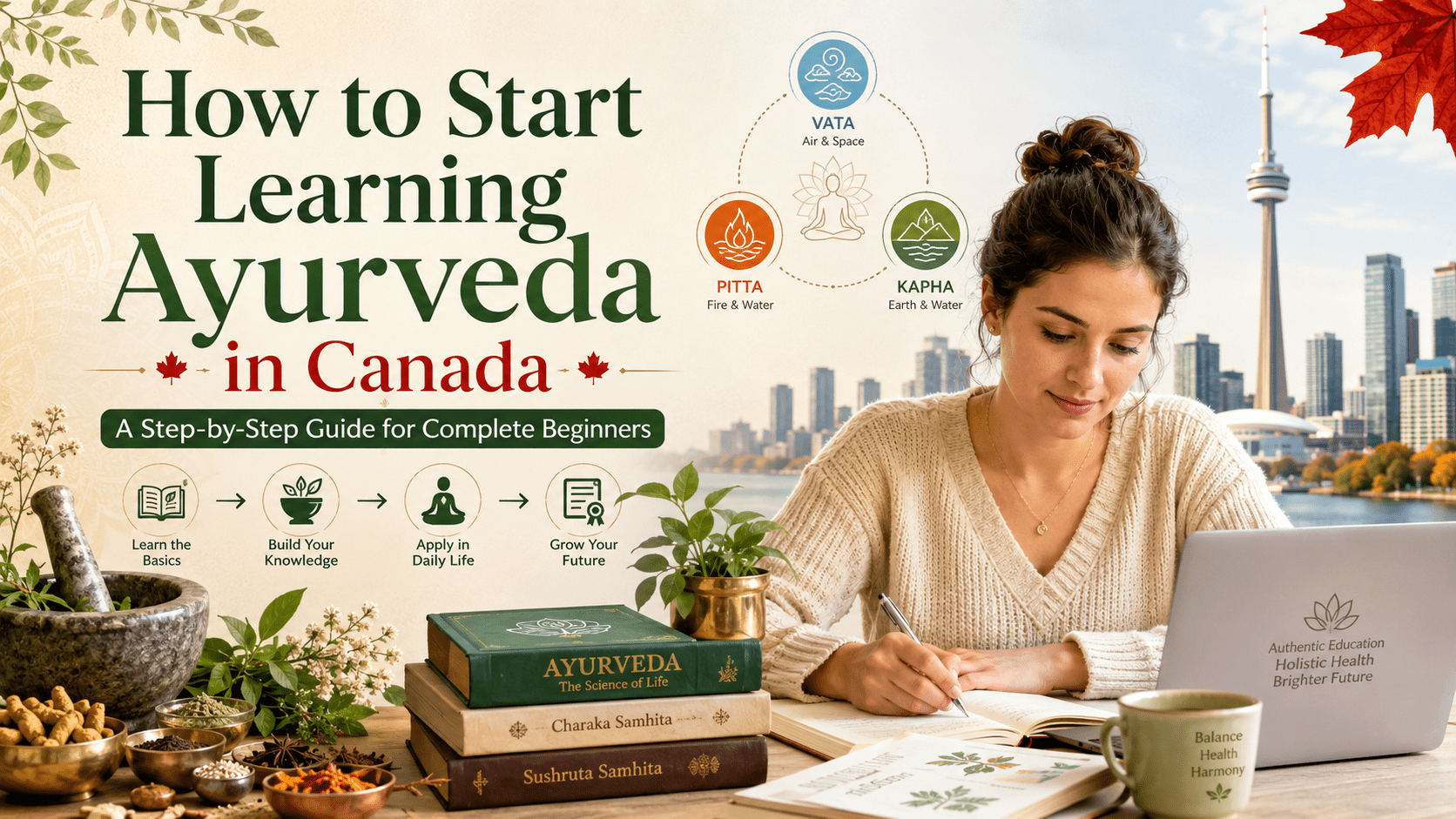
Canada has quietly become one of the more active hubs for Ayurvedic education outside of India. Whether you are a health professional looking to expand your practice, a wellness enthusiast wanting to apply ancient wisdom to your daily life, or someone exploring a full career change, Ayurvedic courses in Canada offer a range of pathways to suit your goals.
Before you enrol, though, there is a lot worth understanding. This guide covers the types of courses available, what they cost, how long they take, what you will actually learn, and what questions to ask before committing.
Why Study Ayurveda in Canada?
Ayurveda is a 3,000-year-old system of medicine from India, built on the understanding that lasting health comes from balance across body, mind, and environment. It is not a trend. It is one of the world’s oldest continuously practised health systems, and its relevance has only grown as modern life has made chronic stress, digestive problems, hormonal imbalances, and sleep disruption increasingly common.
Studying in Canada means you can access quality Ayurvedic education without leaving the country, learn within a multicultural context that enriches the subject, and build a practice that serves a population increasingly interested in natural and integrative health approaches.
Types of Ayurvedic Courses Available in Canada
Not all Ayurvedic courses are the same. Understanding the landscape helps you identify what is right for your current stage and goals.
1. Introductory and Certificate Courses
These are shorter programs, typically ranging from a few weeks to a few months, that introduce you to Ayurvedic principles without requiring prior health knowledge.
Who they suit: Complete beginners, wellness enthusiasts, people who want to apply Ayurveda in their personal lives, or those exploring whether formal training is right for them.
What they cover: Dosha types and constitutions, Ayurvedic nutrition basics, daily lifestyle routines, seasonal health practices, and introductory herbal medicine.
2. Foundational Diploma Programs
These mid-length programs typically run from six months to one year and build a more substantial base of Ayurvedic knowledge.
Who they suit: Yoga teachers, nutritionists, massage therapists, and other wellness practitioners looking to add Ayurvedic knowledge to their existing skills.
What they cover: Detailed dosha and constitution analysis, dietary science, herbal medicine, Ayurvedic bodywork, introductory pulse reading, and client consultation skills.
3. Professional Diploma and Designation Programs
These are comprehensive programs, often 500 to 1,000 or more hours, designed to prepare graduates for professional practice and recognition by bodies such as the Ayurvedic Association of Canada (AAC).
Who they suit: Those serious about establishing a professional Ayurvedic practice or integrating clinical Ayurveda into an existing health practice.
What they cover: Full curriculum including Ayurvedic theory, clinical assessment and diagnosis, treatment protocols, Panchakarma, herbal medicine, supervised clinical hours, and case study work.
4. Specialisation and Advanced Courses
For practitioners already holding a foundational qualification, advanced and specialisation courses allow deeper study in specific areas.
Common specialisations include Panchakarma therapy, women’s health, Ayurvedic nutrition and cooking, pulse diagnosis, mental wellness, and paediatric Ayurveda.
5. Online and Hybrid Programs
A growing number of schools now offer online or hybrid Ayurvedic courses in Canada, making training accessible to people across the country who cannot attend in-person classes in Toronto, Vancouver, or other major centres.
Online formats work well for theoretical content. For clinical skills development, look for programs that incorporate in-person intensives or supervised practical components.
What You Will Learn in a Quality Ayurvedic Course
Regardless of program type, a well-designed Ayurvedic course should develop your understanding across these core areas:
| Subject Area | What It Covers |
| Ayurvedic Philosophy | Origins, key texts, foundational principles, connection to Vedic science |
| Tridosha Theory | Vata, Pitta, Kapha: characteristics, functions, imbalance patterns |
| Prakriti and Vikriti | Individual constitution assessment, understanding current imbalances |
| Ayurvedic Nutrition | Food qualities, seasonal eating, constitution-based dietary guidance |
| Herbal Medicine | Key Ayurvedic herbs, formulations, therapeutic applications |
| Lifestyle Medicine | Dinacharya (daily routine), seasonal routine, sleep, exercise |
| Clinical Assessment | Pulse reading, tongue diagnosis, consultation skills |
| Therapeutic Treatments | Abhyanga, Shirodhara, Panchakarma protocols |
| Modern Health Integration | Working alongside Western medicine, referral protocols |
How Long Do Ayurvedic Courses in Canada Take?
Program length depends on the depth of study and your goals:
- Short certificate courses: 4 to 12 weeks
- Foundational diplomas: 6 to 12 months
- Professional designation programs: 1 to 2 years
- Advanced specialisation courses: Variable, often 3 to 12 months alongside existing practice
Part-time and self-paced options are available through many schools, making it possible to study while working.
How Much Do Ayurvedic Courses Cost in Canada?
Course costs vary considerably depending on program length, format, and institution:
| Program Type | Approximate Cost Range |
| Short certificate or workshop | $200 to $1,500 |
| Foundational diploma | $2,000 to $6,000 |
| Professional diploma program | $6,000 to $20,000 |
| Advanced / specialisation course | $1,000 to $5,000 |
Some schools offer payment plans, early enrolment discounts, or bursaries. Ask specifically about what is included in the tuition, particularly whether clinical hours, materials, and examinations are covered in the stated fee.
Online vs In-Person Ayurvedic Courses
The right format depends on your learning style, schedule, and goals.
| Format | Advantages | Limitations |
| In-person | Hands-on practice, immediate instructor feedback, clinical supervision | Location-dependent, less schedule flexibility |
| Online | Study from anywhere, flexible pacing, lower cost in some cases | Limited hands-on practice, requires self-discipline |
| Hybrid | Combines flexibility with essential practical training | Requires some travel for in-person intensives |
For anyone aiming at professional practice, hybrid or in-person programs that include supervised clinical experience are strongly recommended. Clinical skills in Ayurveda, particularly assessment techniques, cannot be meaningfully developed through online instruction alone.
Who Should Consider Ayurvedic Courses?
Ayurvedic training attracts a wide range of students across Canada:
- Healthcare professionals such as naturopathic doctors, nurses, and physiotherapists looking to integrate holistic principles
- Yoga teachers and wellness coaches wanting to deepen their understanding of whole-person health
- Nutritionists and dietitians interested in traditional dietary medicine
- Individuals managing their own health or that of family members
- Entrepreneurs interested in the growing wellness industry
- Those seeking a meaningful career change toward purposeful, relationship-based work
Prerequisites for Enrolment
Most introductory and foundational programs have no formal prerequisites. Professional diploma programs may require:
- A minimum age of 18 to 21 depending on the school
- Basic literacy and numeracy
- Some programs recommend or require prior health knowledge or experience
- Advanced programs typically require completion of a foundational program
Always check directly with the school, as prerequisites vary and some may have changed recently.
What Happens After You Complete a Course?
Your next steps after completing an Ayurvedic course depend on your level of training:
- Certificate holders can apply Ayurvedic principles in their personal lives or integrate knowledge into existing wellness work
- Foundational diploma holders can work as wellness coaches, educators, or complement existing health practices
- Professional diploma graduates can apply for AAC membership, establish clinical practices, or continue with advanced specialisation
Continuing education is an important part of Ayurvedic practice. The field is evolving, and practitioners who commit to ongoing learning develop stronger clinical skills and broader professional standing over time.
Frequently Asked Questions
Do I need a health background to enrol in Ayurvedic courses in Canada?
For most introductory and foundational programs, no. Courses are designed to be accessible to those without prior health training. Advanced and clinical programs may prefer applicants with some health background.
Are online Ayurvedic certificates recognised in Canada?
Recognition depends on the issuing institution and the professional body you wish to join. Certificates from schools that meet AAC or CAC standards carry more professional weight than those from unrecognised providers.
Can I practise professionally after a short Ayurvedic certificate course?
A short certificate course provides foundational knowledge but typically does not prepare you for independent professional practice. For clinical practice, you need a program that meets professional designation requirements, generally 500 or more training hours with supervised clinical components.
What is the Ayurvedic Association of Canada?
The AAC is the primary professional body for Ayurvedic practitioners in Canada. Membership requires completing approved training of at least 500 hours. AAC membership provides professional credibility, access to continuing education, and recognition by other health practitioners and the public.
Is Ayurvedic training tax-deductible in Canada?
In some cases, tuition for health-related professional training may be eligible for tax credits. Speak with a tax professional or consult the Canada Revenue Agency for guidance specific to your situation.
CAISH has been delivering Ayurvedic education in Toronto and online since 2002, offering programs from introductory courses to professional designation preparation. Whether you are just starting your Ayurvedic journey or looking to deepen your practice, you can explore available programs and download a program catalogue at caishayurveda.org.
also read this article, Top 10 Best Convenience Stores in Toronto, ON, Canada.