 By logical dot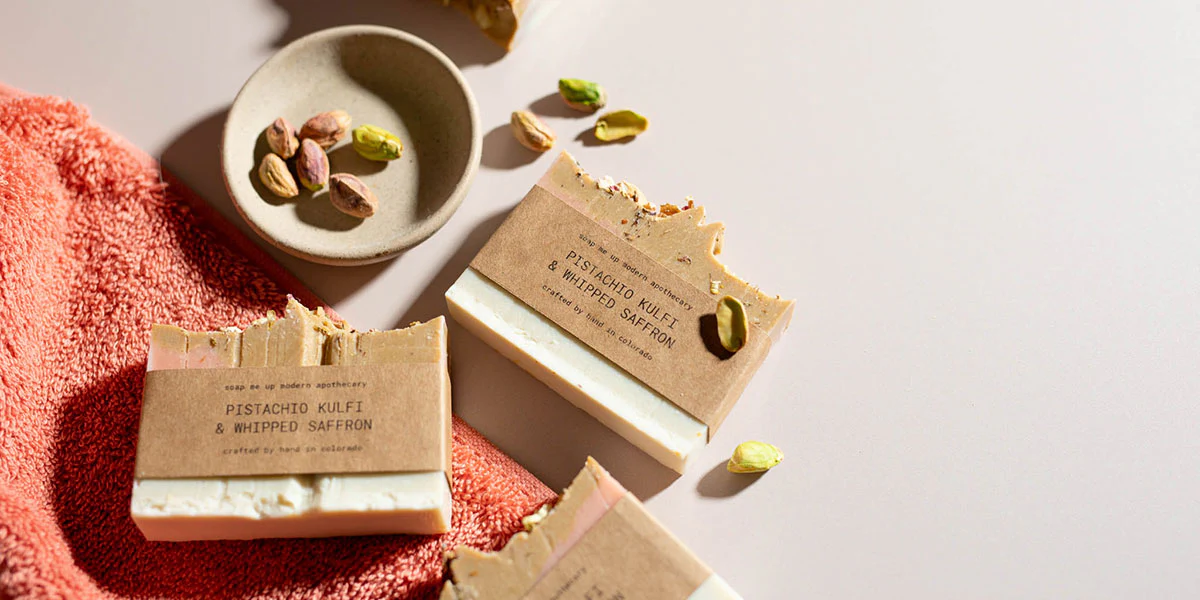
There is a difference between a logo and a brand identity, and nowhere is that distinction more consequential than on soap packaging. A logo is the mark, the typeface, the icon, the colour combination. Brand identity is the total impression that mark creates in context: on the box, on the shelf, in the hand of a customer deciding whether to open their wallet.
For natural and artisan soap brands, the challenge is that the category is saturated with good soap. Every farmers market and online marketplace has multiple versions of every formulation. Soap boxes with logo that actually drive purchases are the ones where the branding tells a specific, credible story that the product alone cannot tell at the moment of decision.
What Your Logo Is Actually Doing on a Soap Box
When a customer picks up a soap bar they have never tried before, they run a rapid unconscious assessment: Is this brand credible? Does this look like a product made by someone who cares about quality? Is this price appropriate for what I am seeing? The logo is not doing all of this work on its own, but it is doing a disproportionate share of it.
Recognition and recall are the two things a well-executed logo on soap boxes provides. Recognition happens at first contact: this looks like a quality product. Recall happens at repurchase: I remember this brand, I liked that bar, I am going to buy it again. Both functions require the logo to be placed, sized, and finished in a way that registers clearly under variable retail lighting conditions.
Logo Placement on Soap Box Structures
Where the logo appears on a soap box structure is not arbitrary. The standard tuck-end soap box has six printable surfaces: front panel, back panel, two side panels, and two tuck flaps.
Front Panel Primary, Side Panel Secondary
For soap boxes displayed on tiered retail shelves, the side panels are the visible surface when the box is stocked with the front facing the shelf back. A brand mark on both side panels ensures visibility regardless of display orientation, particularly relevant for brands selling through boutiques and gift shops where staff may not always follow planogram guidelines.
Flap Interior Branding
Printing the inside of the tuck flap with a small brand element, a tagline, a repeat pattern, or a loyalty message, is a technique borrowed from premium cosmetic packaging that translates well to artisan soap. The customer only sees it when opening the box, which creates a small moment of brand delight at the product reveal.
Embossed or Debossed Logo Without Printing
Some soap brands, positioned at very high price points, choose to emboss or deboss the logo into the board without any ink. On a natural kraft or thick white board, this approach has a distinctive, understated quality that communicates handcraft without the visual noise of full-colour printing. It works best for logos with clean, bold geometry.
Logo Finish Options and What They Signal
Flat Printing, Offset or Digital
The baseline. A logo printed flat in brand colours on a coated or uncoated stock. Sufficient for mass-market positioning and for brands where price-point sensitivity makes surface embellishment impractical.
Matte Lamination with Foil Logo
This is the most widely effective combination in natural and artisan soap packaging. A matte-laminated base with a foil-stamped logo in gold, copper, or silver creates strong visual contrast and signals premium quality without looking synthetic or corporate. This combination works across price points from $9 to $24 per bar.
Spot UV on Logo
A clear high-gloss coating applied only to the logo area creates tactile and visual contrast against a matte background. This finish photographs extremely well for e-commerce and social media. It adds approximately $0.06 to $0.12 per unit at typical run sizes.
Embossing with Foil
Combining embossing and foil stamping creates the maximum premium effect available in standard commercial printing. The logo is simultaneously raised and metallically finished, communicating the highest quality tier. This treatment is appropriate for soap bars priced above $18 and for gift or seasonal collections.
Colour Consistency Across Your Product Range
For brands with multiple SKUs, colour consistency in the logo is the thread that ties the product range together. Customers should be able to identify your brand from across a retail aisle because the logo colour is consistent, even if each scent variant uses a different secondary colour for differentiation.
The failure mode is ordering from different suppliers at different times without a written colour specification. A Pantone 376 C green from one supplier and a visually similar green from another will look noticeably different side by side on a retail shelf. Maintaining a colour specification document with Pantone codes, CMYK breakdowns, and hex values, provided to every supplier on every order, prevents this.
Logo Size: The Most Common Mistake in Soap Box Branding
The most consistent branding error in artisan soap packaging is logo undersizing. Designers who work primarily on digital formats instinctively scale logos to a size that looks balanced on a screen at full resolution. The same logo printed on a 2.75-inch-wide soap box panel at that scale may be barely legible at retail distances.
The practical test: print a proof at 100 percent scale and hold it at arm’s length. Then set it on a table and look from four feet away. The logo should be immediately legible and clearly dominant in the design hierarchy at both distances.
When to Redesign Your Soap Box Logo
Three situations call for logo revision on soap packaging:
- The brand is moving into a new retail channel where the current logo reads as inconsistent with the store buyer’s aesthetic.
- The logo was designed for digital use and does not reproduce cleanly at the physical sizes required by soap box printing.
- The brand’s positioning has shifted and the logo signals the old positioning rather than the new one.
Outside these situations, consistency is usually more valuable than redesign. Brand recognition compounds over time, and frequent redesigns reset that compound effect every time they happen.