 By logical dot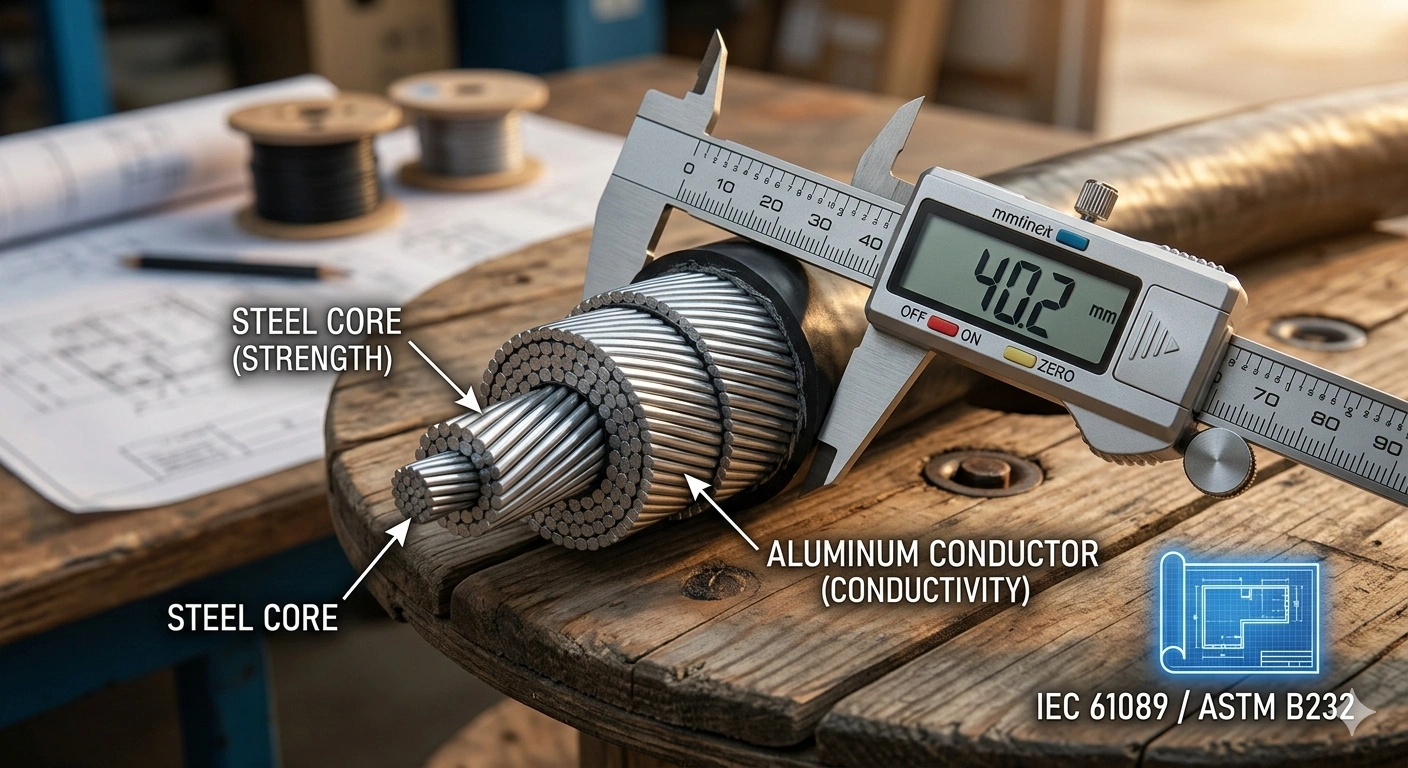
Power transmission and distribution networks require conductors that can withstand mechanical stress, environmental exposure, and long-distance electrical load demands. Utilities, EPC contractors, and industrial power projects often face challenges such as conductor sag, high tensile stress, corrosion, and energy loss across transmission lines. Choosing the wrong conductor can increase maintenance costs and reduce overall grid reliability.
This is where ACSR cable becomes one of the most preferred solutions in modern overhead transmission systems. Known for its excellent mechanical strength and high conductivity, ACSR cable is widely used in utility grids, rural electrification, substations, and industrial power infrastructure projects worldwide.
HNBF Power, a global manufacturer of overhead conductors and power cables, supplies high-quality ACSR conductors designed to meet international standards and demanding transmission applications. With advanced manufacturing capabilities and strict quality control, HNBF Power supports utilities and contractors with reliable conductor solutions for medium- and high-voltage overhead networks.
In this guide, we will explain what ACSR cable is, how it works, its advantages, applications, selection criteria, and why it remains a trusted choice for modern power transmission systems.
What Is ACSR Cable?
ACSR stands for Aluminum Conductor Steel Reinforced. It is a stranded conductor consisting of:
- An outer layer of aluminum strands
- A central core made of galvanized steel wires
The aluminum strands provide excellent electrical conductivity, while the steel core delivers high tensile strength and mechanical durability.
This combination allows ACSR cable to carry large electrical loads over long distances while maintaining structural stability under wind, ice, and heavy environmental conditions.
Because of its strength-to-weight ratio and cost efficiency, ACSR conductor is widely used in overhead transmission and distribution systems.
Structure of ACSR Conductor
Aluminum Layers
The outer aluminum strands are responsible for conducting electricity efficiently. Aluminum is lightweight and offers excellent conductivity, making it ideal for long-span overhead power lines.
Steel Core
The inner steel core provides mechanical reinforcement. It helps the conductor maintain strength and reduces sag during high-temperature operation or long-span installations.
Stranding Design
ACSR conductors are manufactured in multiple stranding configurations depending on:
- Voltage level
- Span distance
- Mechanical load requirements
- Environmental conditions
- Current carrying capacity
Different conductor sizes are available to meet utility and industrial project specifications.
Key Benefits of ACSR Cable
High Tensile Strength
One of the biggest advantages of ACSR cable is its exceptional mechanical strength. The steel core enables the conductor to handle long spans and heavy loads without excessive sagging.
This makes it ideal for:
- Mountain transmission routes
- River crossings
- Long-distance overhead lines
- High wind regions
Excellent Conductivity
The aluminum strands provide efficient electrical conductivity for power transmission. Utilities can transmit electricity over long distances with reduced power losses.
Lightweight Construction
Compared to pure copper conductors, ACSR cable is lighter in weight, which simplifies installation and reduces support structure costs.
Cost-Effective Solution
ACSR conductor offers an excellent balance between performance and price. Utilities and EPC contractors prefer it because it provides strong mechanical performance without excessive material costs.
Corrosion Resistance
Modern ACSR conductors use galvanized steel cores and high-quality aluminum strands to improve corrosion resistance in outdoor environments.
Long Service Life
When properly installed and maintained, ACSR cable can operate efficiently for decades in demanding transmission environments.
Common Applications of ACSR Cable
Overhead Transmission Lines
ACSR conductors are extensively used in medium-voltage and high-voltage overhead transmission systems due to their strength and conductivity.
Power Distribution Networks
Electric utility companies use ACSR cable for urban and rural distribution networks to deliver reliable power to consumers.
Industrial Power Projects
Large industrial facilities often use ACSR conductors for internal transmission infrastructure and power distribution systems.
Rural Electrification
ACSR cable is a practical solution for rural electrification projects because it supports long-distance transmission at economical costs.
Utility Grid Expansion
As countries expand renewable energy integration and grid infrastructure, ACSR conductors continue to play a major role in transmission upgrades.
ACSR Cable vs AAC and AAAC Conductors
Understanding the differences between conductor types helps procurement teams select the right solution for each project.
ACSR Cable
- High mechanical strength
- Suitable for long spans
- Excellent for transmission lines
- Steel reinforced structure
AAC Conductors
- Made entirely of aluminum
- Higher conductivity
- Lower tensile strength
- Best for short-span urban distribution
AAAC Conductors
- Made from aluminum alloy
- Better corrosion resistance
- Improved strength compared to AAC
- Suitable for coastal and corrosive environments
For projects requiring high tensile strength and long-span performance, ACSR conductor remains one of the most reliable choices.
Factors to Consider When Choosing ACSR Cable
Current Carrying Capacity
The conductor size must support the required electrical load without excessive heating or energy loss.
Mechanical Load Requirements
Environmental conditions such as wind, ice, and span distance affect conductor selection.
Voltage Level
Different transmission voltages require specific conductor designs and insulation clearances.
Corrosion Environment
Coastal and industrial environments may require enhanced corrosion protection.
Installation Conditions
Terrain, tower spacing, and project design influence conductor specifications.
Working with an experienced manufacturer helps ensure proper conductor selection for long-term reliability.
Why Utilities Prefer ACSR Conductors
Utilities worldwide continue to rely on ACSR cable because it offers a practical balance of:
- Strength
- Conductivity
- Durability
- Installation flexibility
- Cost efficiency
Its proven performance in large-scale power transmission projects makes it one of the most trusted overhead conductor solutions in the global energy industry.
As power demand increases and grid modernization continues, ACSR conductors remain essential for reliable electricity transmission.
HNBF Power ACSR Cable Solutions
HNBF Power manufactures high-performance ACSR conductors for utility, industrial, and infrastructure projects worldwide.
The company provides:
- Multiple conductor sizes and configurations
- International standard compliance
- Strict quality inspection
- Reliable production capacity
- Customized conductor solutions
- Export support for global projects
HNBF Power focuses on delivering durable and efficient conductor products designed for modern transmission and distribution systems.
Whether for utility grid expansion, industrial facilities, or EPC transmission projects, HNBF Power offers dependable conductor solutions tailored to project requirements.
Maintenance and Installation Best Practices
Proper installation and maintenance help maximize conductor performance and operational life.
Recommended Practices
- Use proper tension during installation
- Inspect conductor joints regularly
- Monitor sag and clearance levels
- Prevent mechanical damage during transportation
- Follow utility installation standards
Routine inspection helps reduce unexpected outages and improves transmission reliability.
Future Demand for ACSR Cable
Global investment in renewable energy, smart grids, and transmission infrastructure continues to increase demand for reliable overhead conductors.
ACSR cable remains highly relevant because it supports:
- Grid modernization projects
- Renewable energy integration
- Long-distance power transmission
- Utility infrastructure upgrades
- Industrial electrification
As utilities seek durable and economical conductor solutions, ACSR technology continues evolving to meet modern energy requirements.
FAQs
What does ACSR stand for?
ACSR stands for Aluminum Conductor Steel Reinforced. It combines aluminum strands for conductivity with a steel core for mechanical strength.
Why is ACSR cable used in overhead transmission lines?
ACSR cable offers high tensile strength, low weight, excellent conductivity, and reliable long-span performance, making it ideal for overhead transmission systems.
What is the difference between ACSR and AAAC conductor?
ACSR uses a steel core for added strength, while AAAC uses aluminum alloy strands without steel reinforcement and offers better corrosion resistance.
Is ACSR cable suitable for long-distance transmission?
Yes. ACSR conductor is specifically designed for long-span and long-distance overhead transmission applications.
How long does ACSR conductor last?
With proper installation and maintenance, ACSR conductors can provide reliable service for several decades.
Conclusion
ACSR cable continues to be one of the most dependable conductor solutions for modern overhead transmission and distribution networks. Its combination of high tensile strength, efficient conductivity, lightweight design, and long service life makes it an essential component in utility and industrial power infrastructure.
For utilities, EPC contractors, and procurement buyers seeking reliable conductor performance, selecting the right ACSR manufacturer is critical for long-term project success.
HNBF Power delivers high-quality ACSR conductor solutions engineered for demanding transmission applications worldwide. Contact HNBF Power today to discuss customized overhead conductor solutions for your next power transmission project.