 By logical dot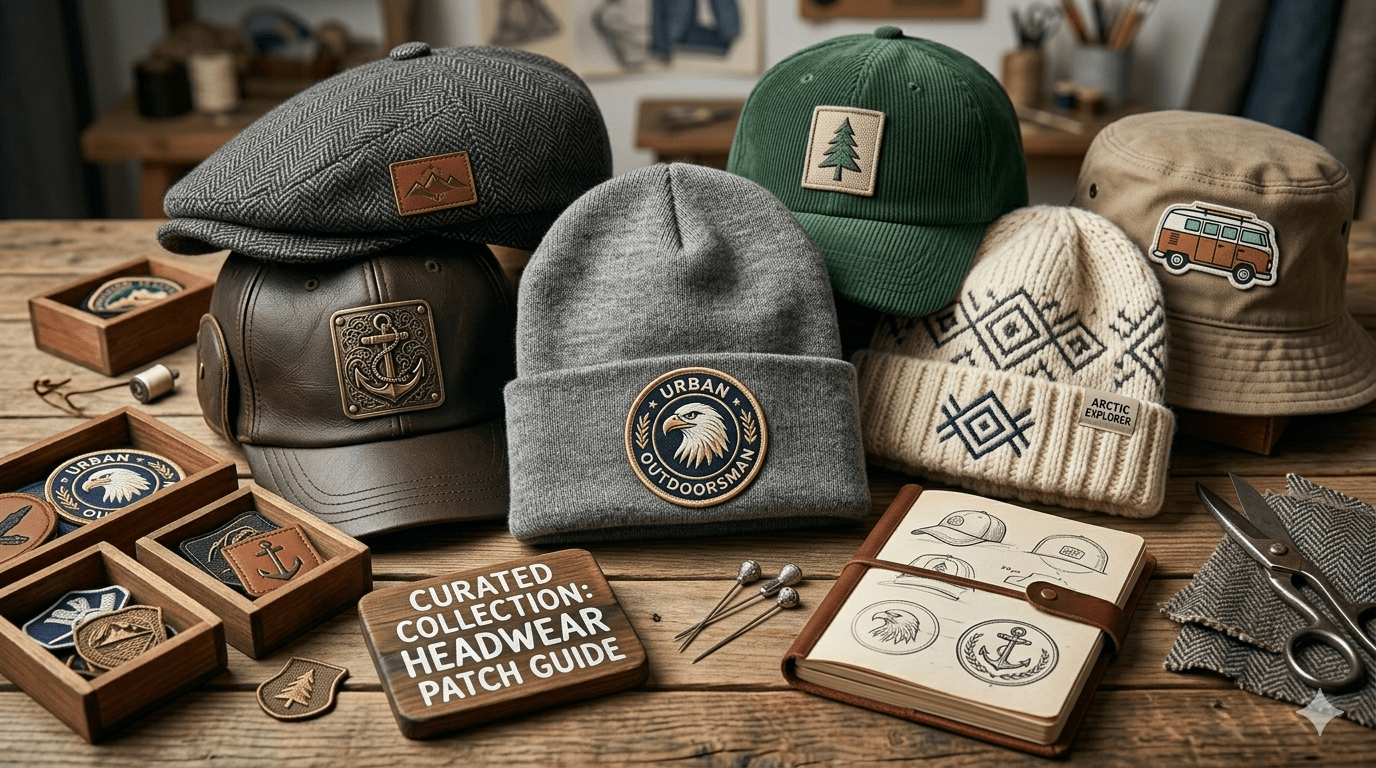
Headwear has become more than just a practical accessory in the UK fashion scene. From classic flat caps to modern snapbacks and cosy winter beanies, hats are now a powerful way to express personality, brand identity, and style. One of the biggest reasons for this shift is the growing popularity of custom cap patches, which allow individuals, clubs, businesses, and fashion brands to create unique designs that instantly stand out.
However, not every patch works well on every hat material. The structure, texture, and flexibility of headwear can significantly affect how a patch looks and performs over time. A woven patch that looks sharp on a structured snapback may not sit properly on a soft knitted beanie, while thick embroidered patches can overpower lightweight cotton caps.
Choosing the right patch type is essential if you want both durability and visual appeal. This guide explores the best patch styles for different types of headwear and explains how materials, textures, and construction influence the final result.
Why Patch Selection Matters for Headwear
Hats experience constant movement, stretching, and exposure to weather conditions. Unlike jackets or bags, headwear curves around the head and often bends during everyday wear. Because of this, selecting the wrong patch can lead to wrinkling, lifting edges, or an uncomfortable fit.
The ideal patch should complement:
- The fabric texture
- The structure of the hat
- The intended design detail
- The overall aesthetic
Whether ordering custom patches online for a streetwear collection or creating personalised fashion accessories, understanding patch compatibility helps achieve a cleaner and longer-lasting finish.
Embroidered Patches: Best for Thick and Textured Headwear
Embroidered patches remain one of the most recognised and traditional patch styles. They feature raised stitching that creates a textured and premium appearance.
Why They Work Well on Beanies
Winter beanies are typically made from knitted wool, acrylic, or fleece-lined materials. These thicker fabrics pair naturally with embroidered patches because both have visible texture and depth. The stitching blends well with the cosy appearance of winter headwear.
Embroidered patches are especially suitable for:
- Ribbed knit beanies
- Cuffed winter hats
- Heavy wool caps
- Outdoor and workwear hats
The raised threads also add warmth and character to winter fashion collections, making them popular in the UK during colder seasons.
Design Benefits
Embroidered patches are ideal for:
- Bold logos
- Simple text
- Vintage-inspired artwork
- Sports team branding
Because the stitching is thicker, they may not reproduce tiny details as clearly as woven patches. However, their textured appearance creates a timeless and durable look that suits rugged or casual headwear.
Woven Patches: Perfect for Structured Snapbacks and Flat Caps
Woven patches are made using thinner threads woven tightly together rather than layered embroidery stitches. This creates a smoother surface and allows for sharper detail.
Why Structured Hats Need Woven Patches
Structured hats such as snapbacks, trucker caps, and flat caps maintain a firm shape. Their flatter front panels provide an excellent surface for woven patches because the patch can sit smoothly without distortion.
Woven patches work particularly well on:
- Snapbacks
- Structured baseball caps
- Flat caps
- Fashion-forward streetwear hats
Their lightweight construction also prevents the front panel from becoming too stiff or bulky.
Better for Detailed Artwork
One of the biggest advantages of woven patches is detail clarity. Small lettering, intricate logos, and fine outlines appear cleaner compared to traditional embroidery.
This makes woven patches ideal for:
- Minimalist branding
- Fashion labels
- Complex illustrations
- Modern logo designs
For brands ordering custom cap patches with highly detailed artwork, woven styles often provide the most polished result.
Leather Patches: A Premium Choice for Heritage Styles
Leather patches have become increasingly popular across premium headwear collections. They deliver a clean, sophisticated appearance that pairs well with earthy fabrics and classic British fashion trends.
Best Hats for Leather Patches
Leather patches are commonly used on:
- Flat caps
- Canvas caps
- Wool hats
- Outdoor lifestyle headwear
The natural texture of leather complements traditional fabrics beautifully, especially in autumn and winter collections.
Advantages of Leather Patches
Leather patches offer:
- Excellent durability
- A premium finish
- Strong brand visibility
- Rustic and vintage appeal
Debossed or engraved leather patches are especially effective for understated branding. They create texture without relying on bold colours, making them a favourite for heritage-inspired designs.
PVC Patches: Best for Outdoor and Performance Headwear
PVC patches are made from soft rubber-like material and are known for their weather resistance and modern appearance.
Ideal for Activewear Caps
PVC patches perform exceptionally well on:
- Sports caps
- Outdoor hiking hats
- Tactical caps
- Waterproof headwear
Because they resist moisture and dirt, they are often used for functional rather than fashion-focused headwear.
Modern and Durable
PVC patches are ideal when durability matters most. They:
- Handle rain and cold weather well
- Maintain colour over time
- Offer strong dimensional effects
- Are easy to clean
Although they are highly durable, PVC patches may feel too heavy or modern for soft knitted beanies or vintage-style flat caps.
Printed Patches: Best for Lightweight and Fashion Caps
Printed patches allow full-colour designs and photographic details that embroidery cannot replicate.
Where Printed Patches Work Best
Printed patches suit:
- Lightweight cotton caps
- Promotional hats
- Fashion collections
- Seasonal trend pieces
Because they are thinner and more flexible, they work well on softer cap materials that cannot support heavy stitching.
Great for Creative Designs
Printed patches allow:
- Gradient colours
- Highly detailed artwork
- Artistic illustrations
- Complex branding elements
For fashion brands experimenting with bold visuals, printed patches provide greater creative freedom.
Matching Patch Types to Popular UK Headwear Styles
Different headwear styles require different patch approaches. Choosing the right combination improves both comfort and visual balance.
Flat Caps
Flat caps are closely associated with British heritage fashion. Their soft yet structured wool construction pairs best with:
- Woven patches
- Leather patches
- Small embroidered badges
Large or heavy PVC patches may disrupt the cap’s refined appearance.
Snapbacks
Snapbacks feature firm front panels that support:
- Woven patches
- Embroidered patches
- PVC patches
Because the front panel remains upright, detailed branding appears clean and highly visible.
Beanies
Beanies stretch and flex during wear, making flexibility important.
The best options include:
- Embroidered patches
- Soft woven patches
- Fold-over label patches
Rigid materials can become uncomfortable or distort knitted fabrics.
Dad Caps
Dad caps are softer and more relaxed than snapbacks. Lightweight patches generally work best, including:
- Woven patches
- Printed patches
- Small embroidery designs
Attachment Methods Also Matter
Beyond patch type, attachment methods affect durability and comfort.
Sew-On Patches
Sew-on patches remain the most reliable option for headwear. They:
- Stay secure during repeated wear
- Handle washing better
- Prevent peeling edges
Most premium hats use stitched attachment for long-term durability.
Heat Press Patches
Heat-applied patches work well for lightweight fashion caps but may struggle on textured materials like knitted beanies.
Velcro Patches
Velcro-backed patches are popular for tactical and interchangeable headwear designs. They allow users to swap patches easily while maintaining functionality.
How Fashion Trends Influence Patch Choices
Headwear trends in the UK continue to evolve, especially within streetwear and independent fashion brands. Minimalist branding has increased demand for woven and leather patches, while vintage-inspired styles continue to favour traditional embroidery.
At the same time, many consumers now coordinate hats with outerwear and accessories. This has increased interest in matching headwear patches with personalised patches for jackets, helping create complete branded outfits or cohesive fashion collections.
As customisation becomes more mainstream, patch selection plays a bigger role in defining the overall identity of a brand or product line.
Final Thoughts
The right patch can completely transform a hat, but successful results depend on pairing the correct patch style with the right material and structure. Thick embroidered patches enhance cosy winter beanies, while sleek woven patches provide crisp detail on structured snapbacks and flat caps.
Leather patches offer timeless sophistication, PVC patches bring durability for outdoor wear, and printed patches allow limitless creative freedom for modern fashion designs.
For anyone designing headwear in the UK market, understanding how materials interact is essential before ordering custom patches online. A carefully chosen patch not only improves appearance but also ensures comfort, durability, and long-term wearability.
As headwear customisation continues to grow, selecting the ideal custom cap patches for each style remains one of the most important steps in creating memorable and high-quality designs.