 By logical dot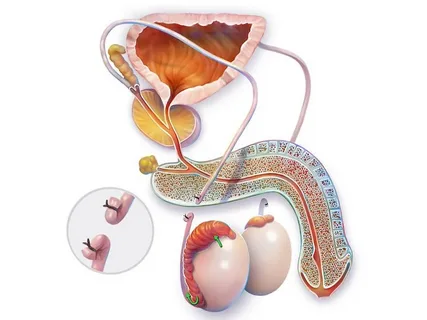
A vasectomy is widely recognized as one of the most effective forms of permanent male contraception. While most discussions focus on the physical aspects of the procedure, psychological outcomes are equally important. For many men and couples, the decision to undergo a vasectomy is tied to emotional stability, relationship trust, financial planning, and long-term reproductive certainty. Psychological confidence in permanent contraception often develops gradually, influenced by education, personal values, family goals, and satisfaction with the procedure itself.
Modern research suggests that most men who choose vasectomy experience high levels of emotional reassurance after the procedure. Instead of feeling anxious about fertility control, many report increased peace of mind and stronger confidence in their reproductive decisions. Understanding the psychological dimensions of vasectomy helps explain why satisfaction rates remain consistently high across different age groups and populations.
Understanding Psychological Confidence After Vasectomy
Psychological confidence refers to the emotional certainty and mental reassurance that individuals experience after making a major healthcare decision. In the context of vasectomy, this confidence is closely linked to the reliability of permanent contraception. Men who no longer worry about unintended pregnancy often describe reduced stress and improved emotional well-being.
The procedure itself is relatively simple and minimally invasive. Once semen analysis confirms the absence of sperm, the effectiveness rate exceeds 99%. This high success rate contributes significantly to psychological reassurance. Men frequently report feeling more secure in intimate relationships because they trust the permanence of the procedure.
Confidence also develops from the sense of control associated with vasectomy. Many individuals appreciate taking direct responsibility for family planning rather than relying solely on temporary contraceptive methods. This feeling of participation in reproductive health decisions can strengthen self-esteem and partnership satisfaction.
The Role of Decision-Making in Emotional Outcomes
Psychological confidence begins before the procedure occurs. Men who thoroughly research vasectomy and discuss it openly with partners often experience greater emotional satisfaction afterward. Informed decision-making reduces uncertainty and minimizes the likelihood of regret.
Several factors influence emotional readiness, including:
- Number of children
- Financial considerations
- Relationship stability
- Long-term family goals
- Medical counseling quality
- Understanding of permanence
Patients who feel pressured into the procedure may experience temporary anxiety or doubt. In contrast, individuals who independently choose vasectomy after careful consideration typically demonstrate stronger psychological adjustment.
Counseling also plays a major role. Urologists often emphasize the permanent nature of the procedure and discuss possible emotional reactions. This preparation helps patients develop realistic expectations and stronger confidence after surgery.
Reduced Anxiety About Unintended Pregnancy
One of the most commonly reported psychological benefits of vasectomy is reduced anxiety surrounding unintended pregnancy. Before the procedure, many couples rely on temporary contraceptive methods that require ongoing management and carry varying failure rates.
After confirmed sterility, men frequently describe a sense of relief. This emotional benefit may improve relationship satisfaction because couples no longer face recurring concerns about contraceptive failure. Studies examining patient-reported outcomes consistently show high levels of mental comfort after vasectomy confirmation.
This reassurance can be especially important for couples who have completed their desired family size. The certainty associated with permanent contraception allows individuals to focus on parenting, career planning, financial stability, and personal goals without additional reproductive concerns.
Relationship Confidence and Intimacy
Psychological confidence after vasectomy often extends into romantic relationships. Some couples report improved intimacy because they no longer experience stress associated with contraception management. Emotional trust may increase when both partners feel aligned in long-term family planning decisions.
Importantly, research shows that vasectomy does not reduce testosterone levels, masculinity, sexual desire, or erectile function. Men who understand these facts before the procedure usually experience fewer emotional concerns afterward.
In many cases, the elimination of pregnancy-related anxiety contributes to greater relaxation during intimacy. Couples may feel more emotionally connected because they share confidence in their reproductive decisions.
Communication remains essential. Partners who openly discuss expectations and long-term goals tend to report better psychological outcomes following vasectomy.
Fear of Regret and Emotional Adjustment
Although satisfaction rates are high, some individuals experience temporary emotional uncertainty after vasectomy. Concerns about permanence can occasionally produce anxiety, particularly in younger patients or individuals undergoing major life changes.
Common sources of psychological doubt include:
- Divorce or relationship transitions
- Loss of a child
- Desire for additional children later in life
- Social or family pressure
- Misunderstanding of procedure permanence
However, long-term regret rates remain relatively low. Most men who undergo vasectomy continue to report satisfaction years after the procedure. Careful patient selection and counseling are key factors in reducing emotional distress.
Mental adjustment often improves with time. Once recovery is complete and patients adapt to the permanence of contraception, confidence generally increases substantially.
Psychological Confidence and Masculinity
A common misconception is that vasectomy affects masculinity. Some men initially worry that permanent contraception could reduce their sense of identity or sexual confidence. Medical evidence does not support these fears.
Testosterone production continues normally after vasectomy because the testes remain functional. Sexual performance, orgasm, and physical appearance are generally unchanged. Understanding these biological facts helps reduce anxiety before the procedure.
Interestingly, many men report enhanced psychological confidence because they view vasectomy as a responsible and proactive decision. Participating actively in family planning may strengthen personal identity and relationship equality.
Education is therefore essential in correcting myths that could negatively influence emotional well-being.
Long-Term Emotional Satisfaction
Longitudinal studies indicate that vasectomy satisfaction remains high over time. Many men continue to express confidence in their decision years or even decades after the procedure.
Several factors contribute to long-term psychological satisfaction:
- Reliable contraception
- Reduced reproductive stress
- Stable family planning
- Improved financial predictability
- Enhanced relationship trust
- Freedom from daily contraceptive management
Men who undergo vasectomy after achieving desired family size are especially likely to maintain positive emotional outcomes. Psychological confidence often grows stronger as individuals experience the practical benefits of permanent contraception throughout adulthood.
The Importance of Counseling and Education
Healthcare providers play an important role in supporting psychological confidence before and after vasectomy. Comprehensive counseling improves patient understanding and helps individuals make informed decisions.
Effective counseling includes discussion of:
- Procedure effectiveness
- Recovery expectations
- Permanence of sterilization
- Emotional adjustment
- Potential risks
- Postoperative semen testing
Patients who receive accurate information are generally more satisfied emotionally. They are less likely to experience unrealistic fears or misconceptions about masculinity, fertility, or sexual function.
Educational support also helps normalize emotional reactions. Mild anxiety before surgery is common and usually temporary. Understanding this can reassure patients during the decision-making process.
Conclusion
Vasectomy is not only a highly effective contraceptive procedure but also an important contributor to psychological confidence in long-term family planning. Many men experience reduced anxiety, improved relationship trust, and greater emotional reassurance after confirmed sterility. The confidence associated with permanent contraception often enhances overall quality of life by eliminating uncertainty surrounding unintended pregnancy.
Successful emotional outcomes depend heavily on informed decision-making, realistic expectations, and open communication with healthcare providers and partners. While temporary concerns about permanence or masculinity may arise, most individuals report long-term satisfaction and emotional stability after vasectomy.
As awareness continues to grow, understanding the psychological dimensions of vasectomy can help patients approach the procedure with greater clarity, confidence, and peace of mind.
FAQs
1. Does vasectomy affect mental health?
Most men experience positive psychological outcomes after vasectomy, including reduced stress about unintended pregnancy and increased confidence in family planning decisions.
2. Can vasectomy reduce masculinity or sexual confidence?
No. Vasectomy does not lower testosterone levels or affect sexual performance. Many men actually report improved confidence because they feel secure in their contraceptive choice.
3. Is regret common after vasectomy?
Regret is relatively uncommon, especially among men who carefully consider the decision beforehand and complete their desired family size. Proper counseling significantly reduces regret risk.